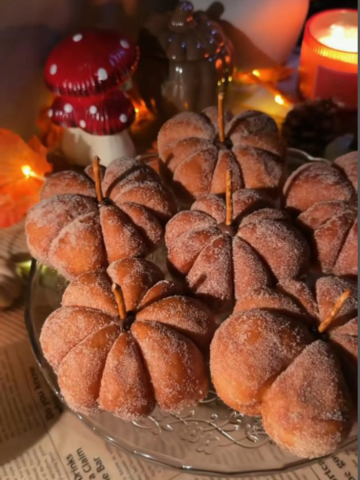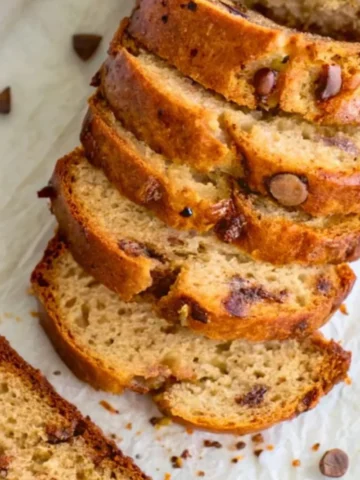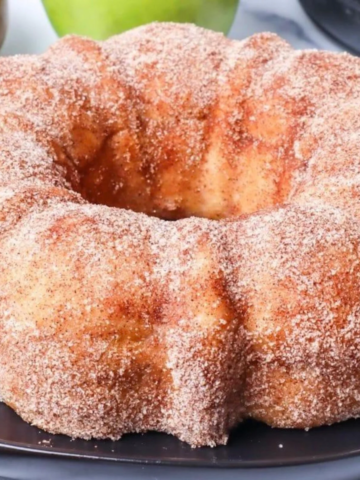

The first scone rarely gets a chance to cool properly. Someone wanders into the kitchen, notices the orange glaze settling into those golden ridges and decides that one “slightly imperfect” wedge should probably be tested immediately. Break it open and the crisp edges give way to a tender, buttery center with chewy cranberries tucked into every bite.

ALT text: Golden orange cranberry scones drizzled with fresh orange glaze and arranged for serving.
These orange cranberry scones bring the right kind of brightness to a winter table. Fresh zest perfumes the dough without making it overly sweet, while the dried cranberries add little tart-chewy pockets that keep each bite interesting. The glaze is simple—powdered sugar and fresh orange juice—but it pulls the whole thing together.
I like them piled onto a wide platter with coffee already poured and a small bowl of softened butter nearby. They are festive enough for Christmas morning, relaxed enough for a weekend brunch and perfectly acceptable eaten over the kitchen counter while everyone else is still deciding what they want.

If a maple-and-pecan morning sounds more like your kind of comfort, these Maple-Glazed Pecan Scones deserve a place on your baking list too.
🍽️ Recipe at a Glance
🥄 Difficulty: Easy
🔪 Prep time: About 20 minutes
❄️ Chill time: At least 30 minutes
🔥 Bake time: 18–22 minutes
⏱️ Total time: About 1 hour 10 minutes
🍊 Yield: 6 large scones
✨ Texture: Lightly crisp edges with a tender, buttery center and chewy cranberries
💡 Best tip: Keep the butter and shaped dough cold, then stop mixing as soon as the dough holds together
🏡 Best for: Holiday breakfast, weekend brunch, afternoon tea and cold-weather baking
🧠 Why This Scone Recipe Works
A good scone should not feel like a sweet dinner roll or a dry biscuit wearing glaze. The goal is a sturdy golden exterior with a center that breaks apart tenderly instead of crumbling into dust.
Cold butter is the starting point. Small pieces remain suspended in the dough and release steam in the oven, helping create a lighter interior. The combination of heavy cream and sour cream supplies richness and enough moisture to keep the crumb tender.
Chilling the shaped wedges is equally important. It firms the butter again after the dough has been handled and helps the scones hold their triangular shape when they meet the hot oven.
The technique is similar to the one used for these Cinnamon Scones, although this version trades warm spice for fresh citrus and cranberries.
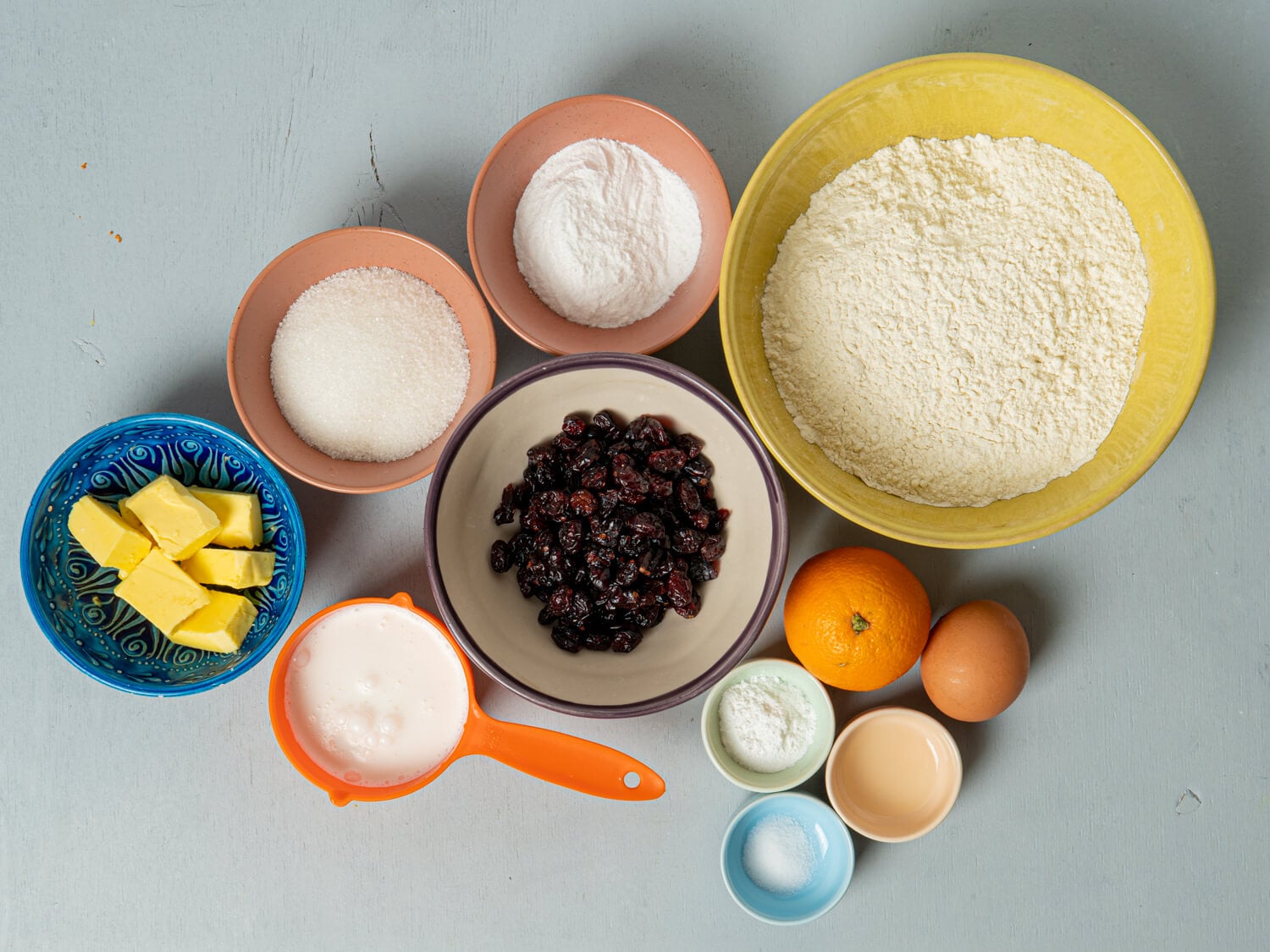
🍊 Ingredients You’ll Need
For the Orange Cranberry Scones
- 2 cups all-purpose flour
- Up to ¼ cup additional all-purpose flour for the work surface
- 1 tablespoon baking powder
- ½ cup granulated sugar
- ¼ teaspoon salt
- ½ cup cold unsalted butter, cut into small cubes
- ½ cup cold heavy cream
- ¼ cup sour cream
- 1 large egg
- 1 teaspoon vanilla extract
- ¼ teaspoon orange extract
- 1 teaspoon finely grated orange zest
- 1 cup dried cranberries
For the Orange Glaze
- ⅔ cup powdered sugar
- 1–2 tablespoons fresh orange juice
🛒 A Few Ingredients Worth Talking About
Cold unsalted butter
“Cold” is not a casual suggestion here. If the butter melts into the flour before the scones reach the oven, you lose some of the steam that helps build a tender, flaky interior.
Cut the butter into small cubes and return it to the refrigerator if the kitchen is warm.
Fresh orange zest
Orange zest brings concentrated citrus flavor without adding more liquid to the dough. Grate only the thin orange layer of the peel. Once the white pith begins to show, move to another part of the orange.
Zest the orange before squeezing it for the glaze. Trying to zest a collapsed orange half is one of those small kitchen battles nobody needs.
Dried cranberries
Dried cranberries add concentrated flavor and a pleasant chew without releasing the moisture that fresh cranberries would.
Fresh and frozen cranberries work beautifully in recipes specifically developed for them, such as this Cranberry Almond Cake, but they are not a direct one-for-one substitute here.
Sour cream
Sour cream gives the scones moisture, richness and a gentle tang that balances the sugar and orange glaze. Plain full-fat Greek yogurt can be used in the same quantity, although its thickness varies by brand.
👩🍳 How to Make Orange Cranberry Scones
Step 1 — Prepare the Pan and Cut in the Butter
Line a large rimmed baking sheet with parchment paper or a silicone baking mat.
Add the 2 cups flour, baking powder, granulated sugar and salt to a large mixing bowl. Whisk until the ingredients are evenly distributed.
Add the cold cubed butter. Use a pastry cutter or fork to work it into the flour until the mixture resembles coarse crumbs with some pea-size pieces of butter still visible.
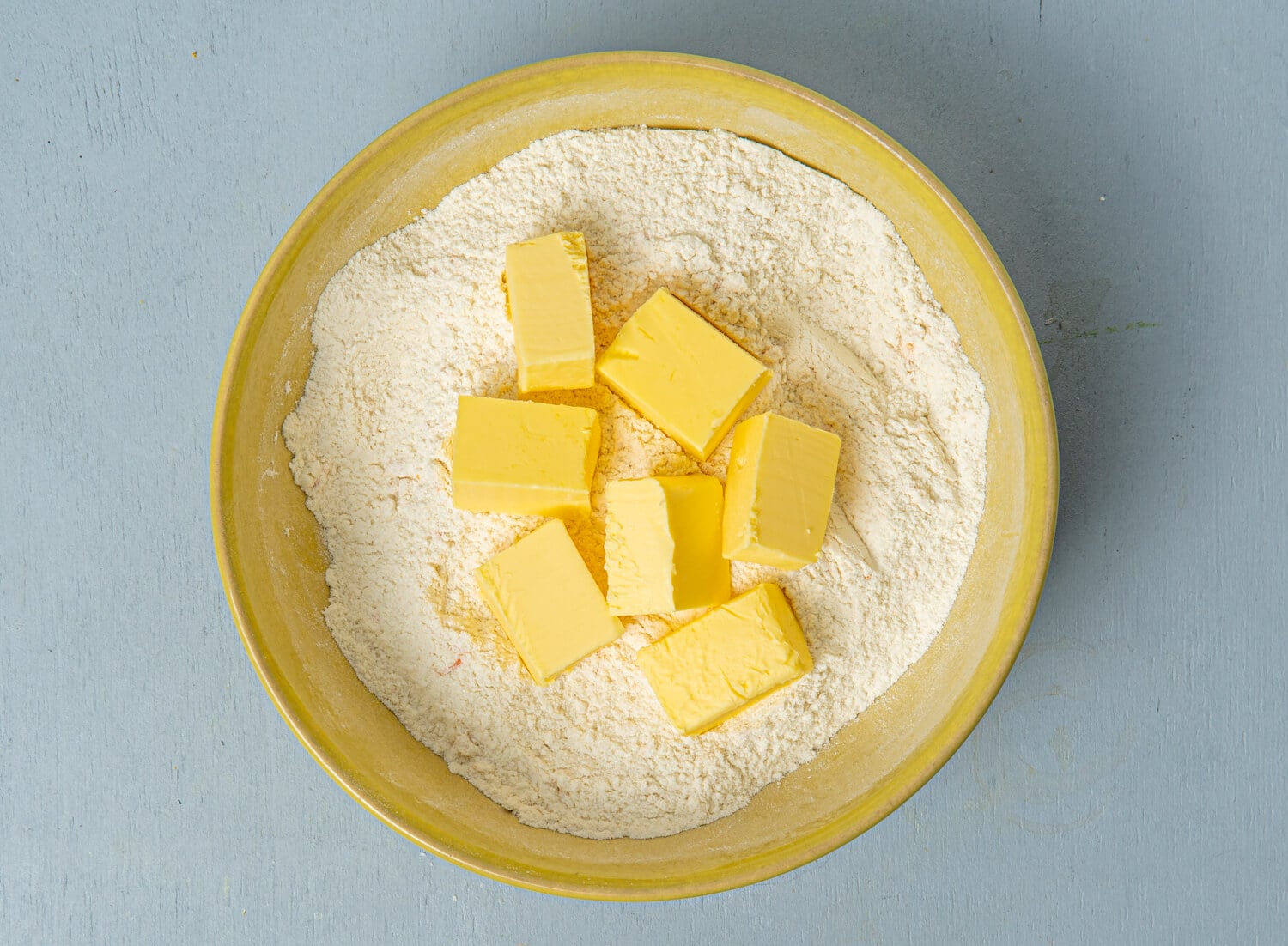
💡 Best tip: Do not keep mixing until the butter disappears. Those visible pieces are doing important work and will help create a more tender scone.
Step 2 — Whisk the Wet Ingredients
In a separate bowl, combine the heavy cream, sour cream, egg, vanilla extract, orange extract and orange zest.
Whisk until the egg is completely blended and the mixture looks smooth and even.
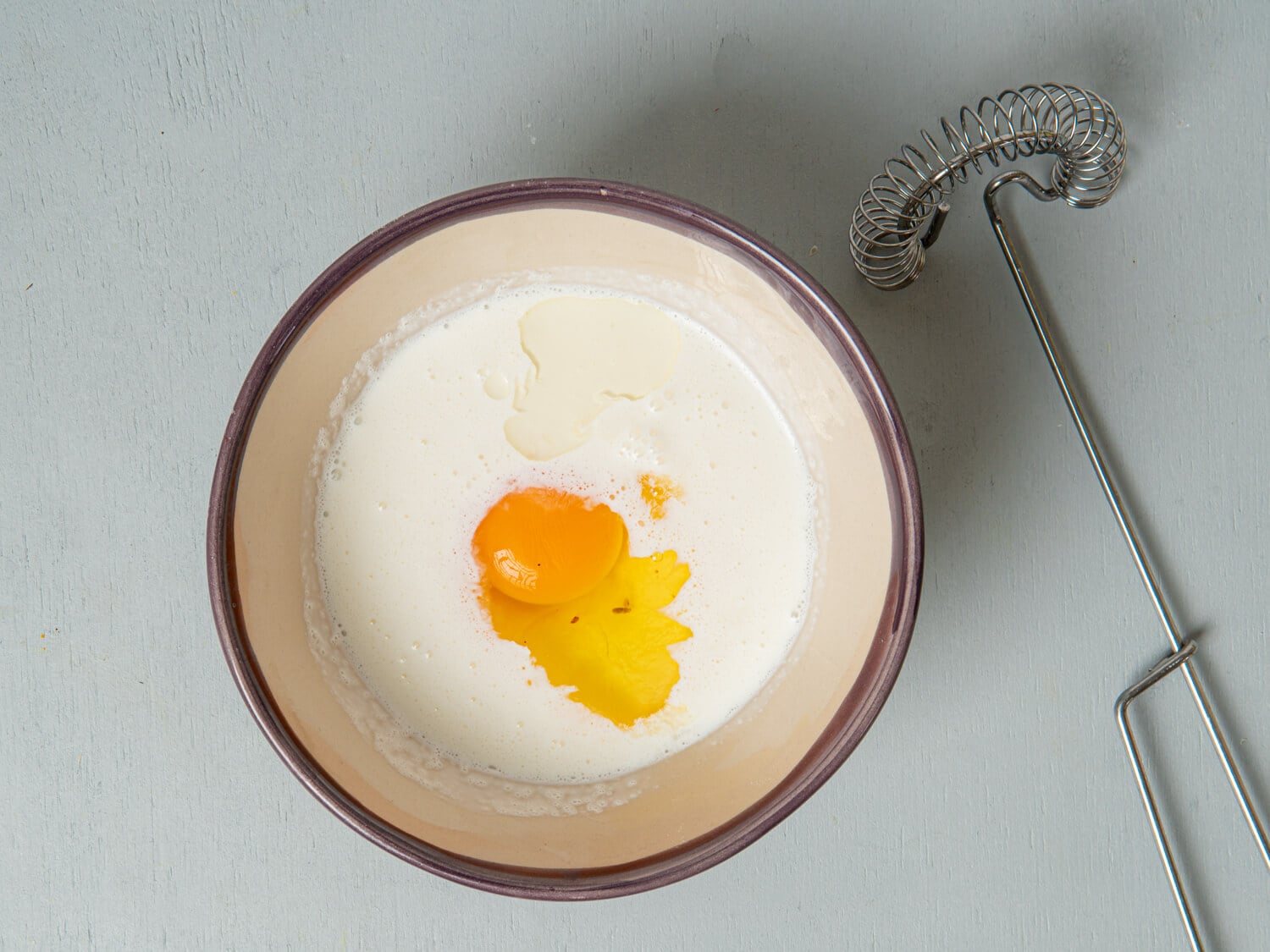
Keep the wet mixture cold until you are ready to add it to the flour. If it must sit for more than a few minutes, place the bowl in the refrigerator.
Step 3 — Bring the Dough Together
Pour the wet mixture into the dry ingredients. Fold gently with a flexible spatula until most of the flour has been incorporated.
Add the dried cranberries and continue folding just until a soft, slightly shaggy dough forms. Check the bottom of the bowl for hidden pockets of dry flour, but resist the urge to stir until the dough looks perfectly smooth.
Scone dough is allowed to look a little untidy. In fact, it generally behaves better when it does.
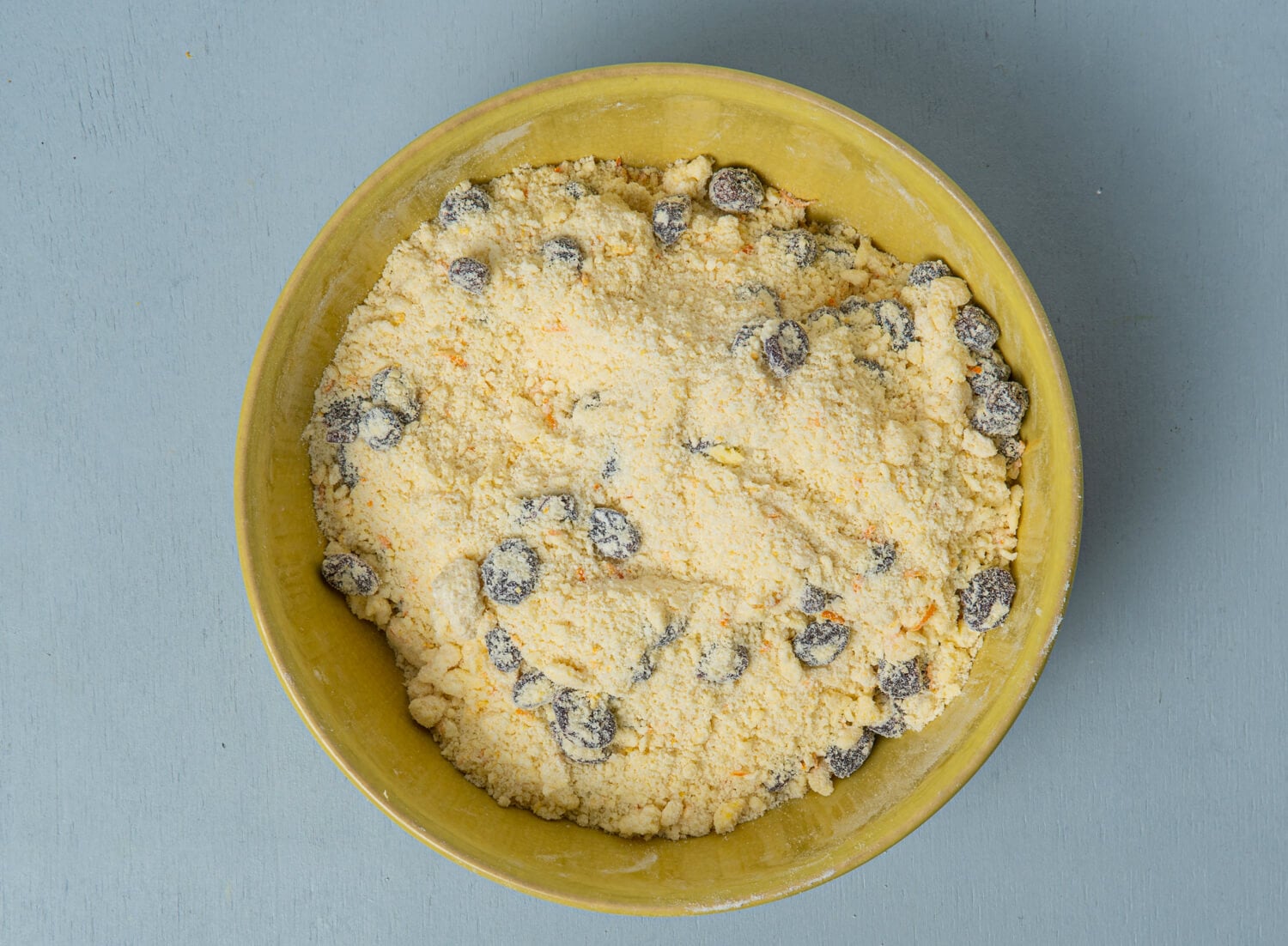
If the mixture is too dry to hold together when pressed, add cold heavy cream 1 teaspoon at a time. If it is unusually sticky, dust it lightly with flour rather than working a large amount into the dough.
💡 Best tip: Stop mixing as soon as the dough holds together. Overmixing develops more gluten and can turn a tender scone into a firm one.
Step 4 — Shape and Cut the Scones
Lightly flour a clean work surface and transfer the dough onto it. Use your hands to bring it together without repeatedly kneading.
Shape the dough into a round disc approximately 1 inch thick. Cut it into six equal wedges with a sharp knife or bench scraper.
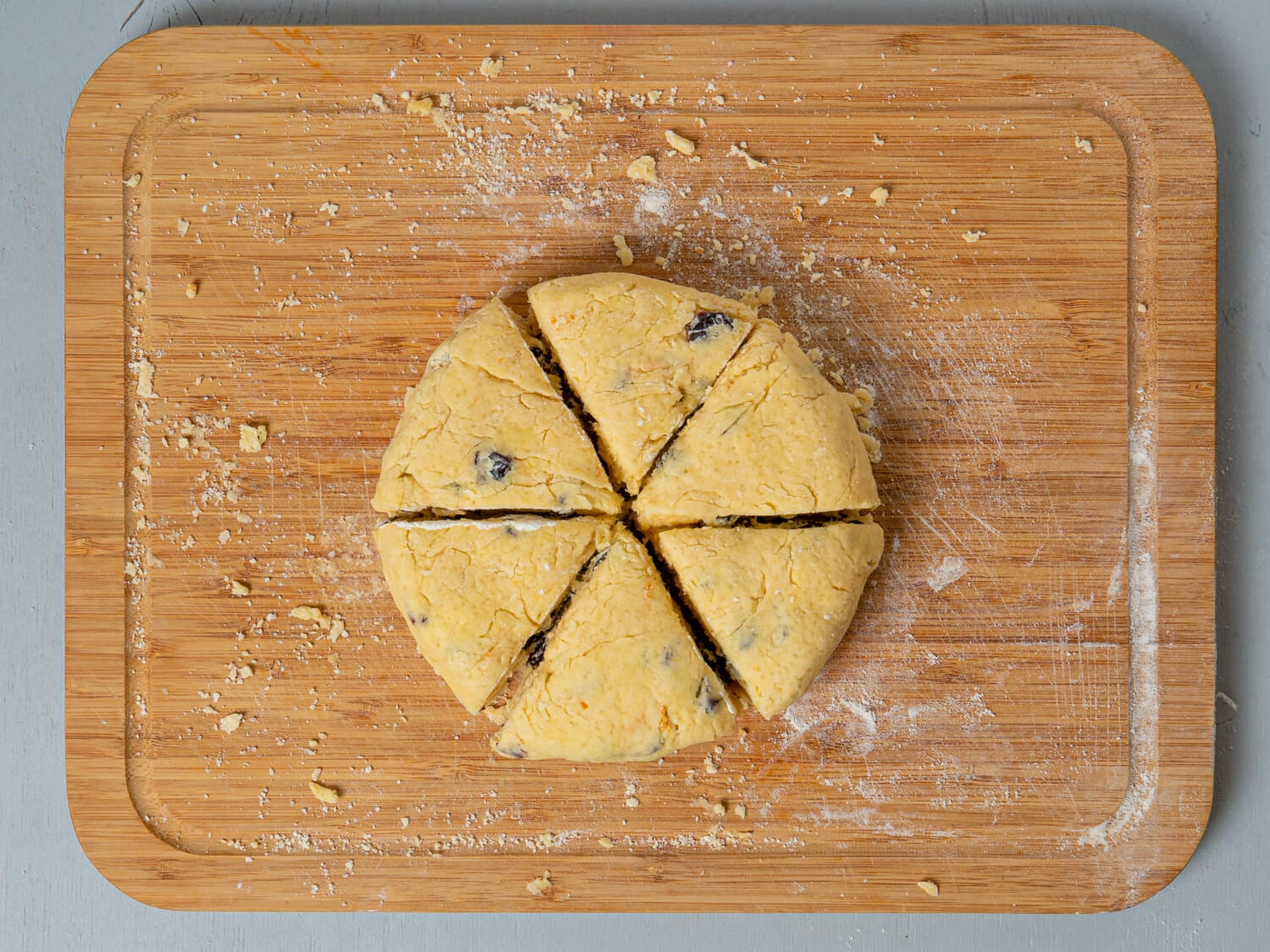
Press the knife straight down instead of sawing back and forth. This keeps the cut edges cleaner and avoids dragging the soft dough out of shape.
💡 Best tip: If the dough feels soft, shiny or greasy, refrigerate the entire disc for 10 minutes before cutting it.
Step 5 — Chill and Bake
Arrange the six wedges on the prepared baking sheet, leaving 1–2 inches between them. Refrigerate the uncovered scones for at least 30 minutes.
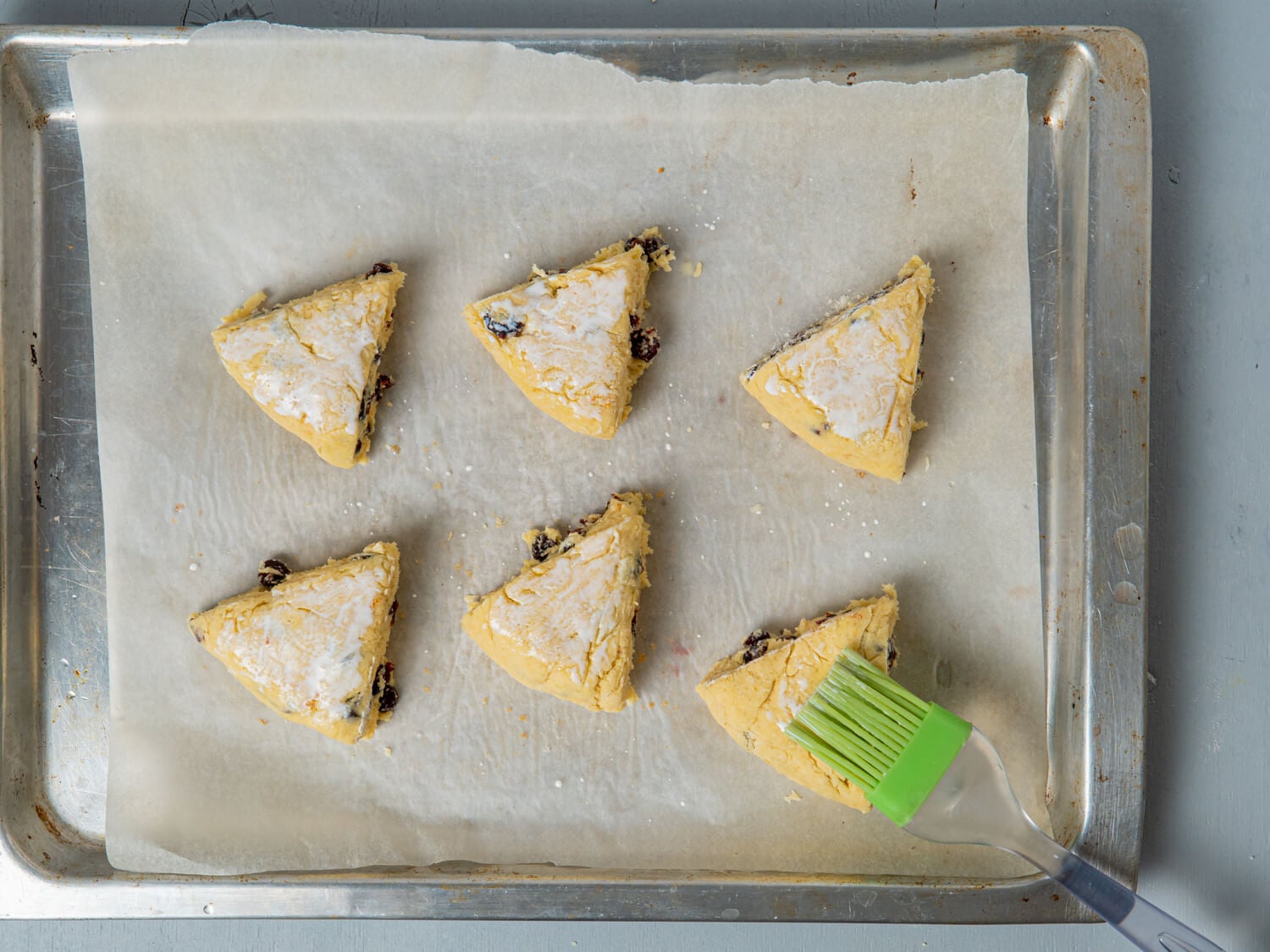
Toward the end of the chilling time, preheat the oven to 400°F (200°C).
Transfer the cold scones directly to the preheated oven. Bake for 18–22 minutes, or until they have risen, the edges are lightly golden and the centers appear set.
Allow the scones to rest on the baking sheet for 5 minutes, then transfer them to a wire rack.
💡 Best tip: Do not leave the chilled scones sitting beside the warm oven. Keep them refrigerated until the oven is fully heated.
Step 6 — Make the Orange Glaze
Place the powdered sugar in a small bowl and stir in 1 tablespoon fresh orange juice.
Add more juice a little at a time until the glaze is thick but pourable. It should fall from the spoon in a slow ribbon, not race back into the bowl like orange-flavored water.
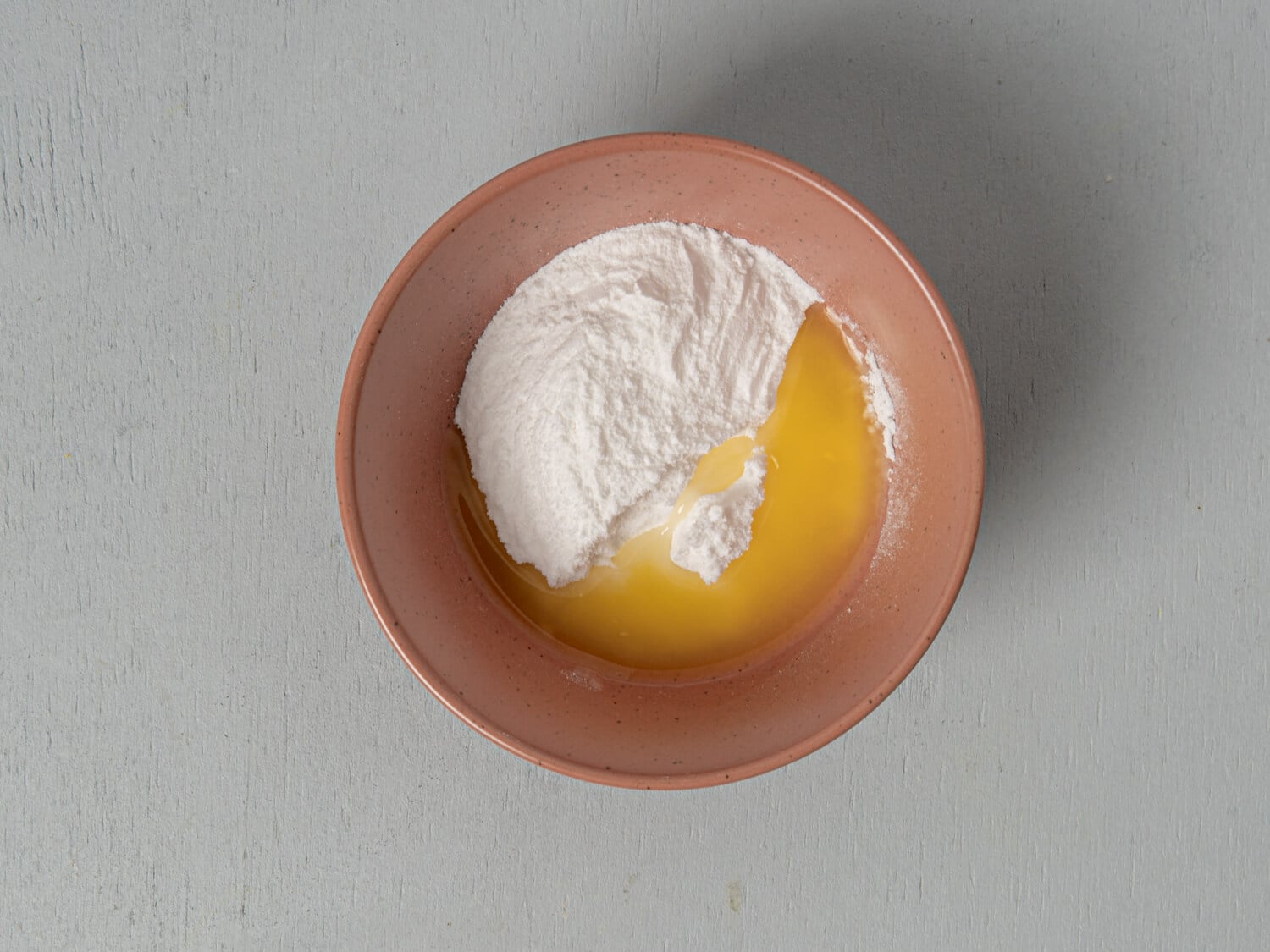
Let the scones cool for 5–10 minutes before drizzling the glaze over the tops. They can still be pleasantly warm, but very hot scones will absorb or melt the glaze.
Give the glaze a few minutes to settle, then bring the scones to the table.
💡 Best tip: If the glaze becomes too thin, stir in more powdered sugar. If it is too thick, add orange juice ¼ teaspoon at a time.

🛠️ Troubleshooting Your Scones
The scones spread instead of rising
The butter or shaped dough probably became too warm. Chill the wedges for the full 30 minutes and bake them directly from the refrigerator.
The scones are dense or tough
The dough may have been overmixed or kneaded too aggressively. Fold only until the flour disappears and handle the dough as little as possible during shaping.
The dough will not hold together
Flour absorbs moisture differently depending on how it was measured and stored. Add cold heavy cream 1 teaspoon at a time until the dough holds when pressed.
The dough is very sticky
Dust the dough and work surface lightly with flour. If it still feels difficult to handle, refrigerate it for 10 minutes rather than adding a large amount of flour.
The glaze disappears into the scones
The scones were probably too hot, or the glaze contained too much orange juice. Let the scones cool longer and thicken the glaze with additional powdered sugar.

🔄 Substitutions and Variations
Dried cherries, raisins or finely chopped dried apricots can replace the dried cranberries in the same quantity.
For lemon cranberry scones, use lemon zest in place of the orange zest, replace the orange extract with additional vanilla and prepare the glaze with fresh lemon juice.
Fold in up to ½ cup chopped pecans or walnuts with the dried cranberries for additional crunch.
For a less-sweet breakfast scone, skip the glaze. The orange zest and cranberries will still give the dough plenty of character.
When you want to move from bright citrus into warm fall spice, these Healthy Pumpkin Scones make a cozy seasonal alternative.
☕ What to Serve With Orange Cranberry Scones
Coffee, black tea and chai all balance the sweet citrus glaze. Add eggs, Greek yogurt and fresh fruit when serving the scones as part of a complete brunch.
For a holiday breakfast table, pair them with slices of Blueberry Coffee Cake. The blueberry crumb cake gives you a soft, cinnamon-topped option beside the more structured scones.

Lemon Fig Olive Oil Cakes also work well when you want individual cakes with a lighter fruit-and-citrus profile.
For a table that leans fully into fall, add a plate of Mini Cinnamon Apple Fritters or these individual Fig and Blackberry Galettes. Just be warned: once warm fritters arrive, nobody remembers who was supposed to wait for brunch.
Softened butter and orange marmalade can be offered alongside, although freshly glazed scones need very little help.
🧊 Make Ahead, Storage and Freezing
Make ahead: Shape and cut the scones, then refrigerate them overnight. Once the dough is thoroughly cold, cover the pan so the surface does not dry out. Bake directly from the refrigerator the following morning.
To store: Allow the scones and glaze to set completely. Keep them in an airtight container at room temperature for up to two days, placing parchment between layers to protect the glaze.
To freeze baked scones: Freeze completely cooled, preferably unglazed scones in an airtight container for up to two months. Thaw them at room temperature, warm gently and add fresh glaze before serving.
To freeze unbaked scones: Freeze the shaped wedges on a lined tray until firm, then transfer them to a freezer-safe container. Bake directly from frozen, allowing a few additional minutes.
To reheat: Warm unglazed scones in a 300°F oven for approximately 5–8 minutes. A microwave will warm them, but it will not restore the lightly crisp exterior.
If you need a holiday bake that is especially convenient to slice and store, this Pumpkin Chocolate Chip Bread is another useful make-ahead option.

❓ Frequently Asked Questions
Can I make orange cranberry scones without orange extract?
Yes. Replace it with an additional ¼ teaspoon vanilla extract and keep the fresh orange zest in the dough. The citrus flavor will be slightly softer but still present.
Should I soak the dried cranberries?
It is usually unnecessary. If the cranberries are unusually hard, soak them briefly in warm water, drain them and pat them thoroughly dry before folding them into the dough.
Why do the scones need to chill?
Chilling firms the butter after mixing and shaping. This helps the wedges hold their shape and supports a more tender texture when they bake.
Can I prepare the glaze ahead of time?
Yes. Cover and refrigerate it for up to two days. Let it sit briefly at room temperature, stir well and add a few drops of orange juice if it has become too thick.
How do I know when the scones are done?
The tops should look dry, the edges should be lightly golden and the center of a scone should no longer appear wet or doughy. Begin checking at 18 minutes because ovens and scone thicknesses vary.
🙌 Bring Them to the Table While They’re Warm
These orange cranberry scones are not trying to be a dainty little pastry that leaves everyone searching for breakfast afterward. They are generous, buttery wedges with enough cranberry and citrus to make each bite feel different from the last.
Keep the butter cold, let the dough stay a little shaggy and give the shaped scones their full chilling time. Once the glaze has settled into those golden tops, pour the coffee and put the platter in the middle of the table.
Then step back. Someone has already chosen the one with the most glaze.
Print
How to Make Orange Cranberry Scones
- Total Time: Approximately 1 hour 10 minutes
- Yield: 6 large scones 1x
- Diet: Vegetarian
Description
Tender, buttery orange cranberry scones filled with chewy dried cranberries and fresh orange zest, then finished with a simple orange glaze. Their lightly crisp edges and soft centers make them perfect for holiday breakfasts, weekend brunches or afternoon tea.
Ingredients
Ingredients
For the Orange Cranberry Scones
- 2 cups all-purpose flour
- Up to ¼ cup additional all-purpose flour, for the work surface
- 1 tablespoon baking powder
- ½ cup granulated sugar
- ¼ teaspoon salt
- ½ cup cold unsalted butter, cut into small cubes
- ½ cup cold heavy cream
- ¼ cup sour cream
- 1 large egg
- 1 teaspoon vanilla extract
- ¼ teaspoon orange extract
- 1 teaspoon finely grated orange zest
- 1 cup dried cranberries
For the Orange Glaze
- ⅔ cup powdered sugar
- 1–2 tablespoons fresh orange juice
Instructions
Line a large rimmed baking sheet with parchment paper or a silicone baking mat.
Add 2 cups flour, baking powder, granulated sugar and salt to a large mixing bowl. Whisk until evenly combined.
Add the cold cubed butter. Use a pastry cutter or fork to work it into the flour until the mixture resembles coarse crumbs with some pea-size pieces of butter remaining.
In a separate bowl, combine the heavy cream, sour cream, egg, vanilla extract, orange extract and orange zest. Whisk until smooth.
Keep the mixture cold until you are ready to add it to the flour.
Pour the wet mixture into the dry ingredients. Fold gently with a flexible spatula until most of the flour has been incorporated.
Add the dried cranberries and continue folding just until a soft, slightly shaggy dough forms.
If the mixture is too dry to hold together, add cold heavy cream 1 teaspoon at a time. If it is unusually sticky, dust it lightly with flour.
Lightly flour a clean work surface and transfer the dough onto it. Bring the dough together gently without repeatedly kneading it.
Shape it into a round disc approximately 1 inch thick. Cut the disc into six equal wedges using a sharp knife or bench scraper.
Arrange the wedges on the prepared baking sheet, leaving 1–2 inches between them. Refrigerate the uncovered scones for at least 30 minutes.
Toward the end of the chilling time, preheat the oven to 400°F (200°C).
Transfer the cold scones directly to the preheated oven.
Bake for 18–22 minutes, or until the scones have risen, the edges are lightly golden and the centers appear set.
Let them rest on the baking sheet for 5 minutes before transferring them to a wire rack.
Place the powdered sugar in a small bowl and stir in 1 tablespoon of fresh orange juice.
Add more orange juice gradually until the glaze is thick but pourable.
Allow the scones to cool for 5–10 minutes before drizzling the glaze over them.
Let the glaze settle for a few minutes before serving.
Notes
Notes
- Keep the butter, cream and shaped dough cold. Warm butter can cause the scones to spread instead of rise.
- Stop mixing as soon as the dough holds together. Overmixing can produce dense or tough scones.
- If the dough feels soft, shiny or greasy, refrigerate it for 10 minutes before cutting.
- Keep the shaped scones refrigerated until the oven is completely preheated.
- If the glaze is too thin, add more powdered sugar. If it is too thick, add orange juice ¼ teaspoon at a time.
- Plain full-fat Greek yogurt can replace the sour cream in the same quantity.
- The shaped, unbaked scones can be refrigerated overnight and baked directly from the refrigerator.
- Store completely cooled scones in an airtight container at room temperature for up to 2 days.
- Freeze unglazed baked scones for up to 2 months.
- Prep Time: 20 mintes
- Cook Time: 30 minutes
- Category: Breakfast, brunch
- Method: Baking
- Cuisine: American