

An elegant, juicy beef tenderloin roast with a balsamic-tapenade glaze — chef-tested tips included!
This roast feels special enough for holidays and dinner parties but approachable enough for confident home cooks. Learn what works (and what doesn’t) before you take it out of the oven.
⭐ Quick Answer — What This Recipe Is
A beautifully seared beef tenderloin roasted with a balsamic-tapenade glaze and served with roasted mushrooms and shallots. Technique: sear → roast → rest → slice → serve.

Elegant enough for holidays, easy enough for confident home cooks.
📝 QUICK STEPS
🔥 Sear the beef tenderloin on all sides until nicely browned.
🌡️ Transfer to the oven and roast until medium-rare.
🍯 Brush generously with balsamic glaze during the final minutes.
⏲️ Rest the meat to lock in juices.
🔪 Slice into thick medallions.
🫒 Spoon olive tapenade over the top and serve.
🛒 QUICK INGREDIENT LIST
🥩 Beef tenderloin
🧂 Salt & black pepper
🫒 Olive oil
🍇 Balsamic vinegar (or balsamic glaze)
🫒 Mixed olives (for tapenade)
🧄 Garlic
🌿 Fresh herbs (parsley or thyme)
📋 What I Learned Making This Recipe (So You Don’t Have To)
I’ve made this balsamic roasted beef tenderloin several times, and the biggest lesson was timing the glaze. The first time, I brushed the balsamic mixture on too early and it burned slightly, creating bitterness. Waiting until the final 5–8 minutes allows the glaze to caramelize without scorching.
Another key takeaway: pulling the tenderloin out about 5 degrees before your target temperature makes all the difference. After resting, the center finishes perfectly rosy and incredibly juicy instead of creeping into overcooked territory.
An Elegant Roast That Feels Special — Without the Stress
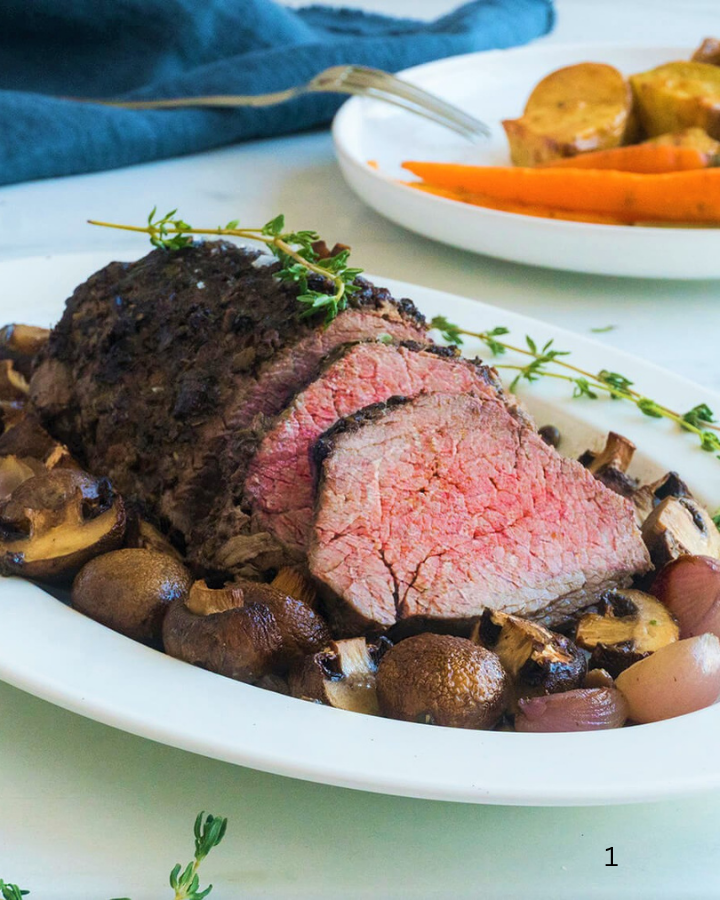
This is the kind of recipe you make when you want dinner to feel memorable without turning the kitchen into a disaster zone. I first made this balsamic roasted beef tenderloin on a quiet evening when I wanted something impressive but unfussy. As it roasted, the scent of balsamic vinegar caramelizing with olive tapenade and fresh thyme filled the kitchen. When I sliced into the tenderloin, the center was perfectly rosy, juicy, and tender — the kind of result that makes everyone pause before taking the first bite.

This dish has since become a go-to for holidays, dinner parties, and those nights when you want something a little elevated but still approachable. It’s proof that with quality ingredients and smart technique, a simple roast can feel truly special.
📋 RECIPE AT A GLANCE
| Feature | Details |
|---|---|
| Prep Time | 10 minutes |
| Cook Time | 20–26 minutes (based on doneness) |
| Resting Time | 15 minutes |
| Total Time | About 45 minutes |
| Yield / Servings | Serves 4 |
| Difficulty | Moderate — elegant yet approachable |
| Best For | Holiday dinners, entertaining, date nights, special occasions |
| Flavor Profile | Savory olives, tangy balsamic, herbaceous thyme, rich beef |
| Key Technique | High-heat roasting + proper resting for maximum juiciness |

Ingredients needed to make Balsamic Roasted Beef Tenderloin with Olive Tapenade
2 lb. beef tenderloin, cleaned and trimmed
8 oz. baby portobello mushrooms, cleaned and trimmed
6-8 shallots, halved
1 T. olive oil
1 T. Dijon mustard
2 T. balsamic vinegar
2 T. olive tapenade
1 T. fresh thyme leaves, chopped
Sea salt and black pepper to taste
👨🍳 How to Make Balsamic Roasted Beef Tenderloin
Important Note:
For the juiciest, most flavorful beef, always remove the tenderloin from the oven about 5°F below your target temperature. The meat will continue to cook as it rests, and this pause allows the juices to redistribute evenly throughout the roast.When I brush the balsamic glaze on only in the final minutes, it caramelizes beautifully without burning — a step I dialed in after several test runs.
1. Prepare the Oven and Pan
Preheat your oven to 475°F (245°C). Line a large rimmed baking sheet with parchment paper to prevent sticking and simplify cleanup. Set aside.
⚠️ If your oven runs hot, rotate the pan halfway through roasting — I noticed uneven browning when I skipped this step.
If time allows, remove the beef tenderloin from the refrigerator about 20–30 minutes before cooking so it can take the chill off. This helps the meat roast more evenly.
2. Arrange and Season the Beef and Vegetables
Place the trimmed beef tenderloin in the center of the prepared baking sheet. Arrange the halved shallots and mushrooms around the beef in a single layer so they roast evenly.
Pat the beef dry with paper towels — this is key for proper browning. Season the tenderloin, mushrooms, and shallots generously with sea salt and freshly ground black pepper, making sure all sides are evenly seasoned.
3. Make the Balsamic Tapenade Glaze
In a small bowl, combine:
- Olive oil
- Dijon mustard
- Balsamic vinegar
- Olive tapenade
- Fresh thyme
Whisk until smooth and well blended. The mixture should be glossy and slightly thick, with the mustard helping the glaze cling to the beef as it roasts.
“Balsamic glaze caramelizes faster than vinegar, so it’s best brushed on during the final minutes.”
4. Coat the Beef and Vegetables
Spoon a line of olive tapenade directly down the center of the beef tenderloin. Using a pastry brush or spoon, generously brush the balsamic mixture over the entire surface of the beef, including the sides.
Drizzle any remaining glaze over the mushrooms and shallots, tossing lightly to coat. This allows the vegetables to absorb the same bold, savory flavors as the beef.
5. Roast the Beef
Place the baking sheet in the fully preheated oven. Roast until the beef reaches your desired internal temperature when measured at the thickest part:
- Rare: about 120–125°F (approximately 20 minutes)
- Medium-Rare: about 130–135°F (approximately 24 minutes)
- Medium: about 140–145°F (approximately 26 minutes)
Use a meat thermometer for accuracy and remove the roast from the oven before it reaches the final temperature.
“For medium-rare, remove the tenderloin at 125–130°F and rest before slicing.”
6. Rest the Beef
Transfer the beef to a cutting board or leave it on the baking sheet and loosely tent with aluminum foil. Allow the tenderloin to rest for 15 minutes.
This step is essential. Resting allows the juices that have concentrated in the center during roasting to redistribute throughout the meat, ensuring every slice is tender and juicy rather than dry.
“This roast can be made a day ahead and reheated gently at a low temperature.”
7. Slice and Serve
After resting, slice the beef into thick medallions using a sharp knife. Arrange on a serving platter along with the roasted mushrooms and shallots.
Garnish with fresh thyme sprigs and an optional spoonful of extra olive tapenade for an added burst of flavor. Serve warm.
✅ Tips for Success
- Use a meat thermometer for accurate doneness.
- Always pat the beef dry before seasoning for better browning.
- Season generously — tenderloin is lean and benefits from proper seasoning.
- Roast on a rimmed baking sheet to allow hot air circulation.
- Never skip the resting period.

🔄 Variations On This Recipe
- Garlic-Forward: Add finely minced garlic to the balsamic glaze.
- Mediterranean Style: Use Kalamata olive tapenade and finish with shaved Parmesan.
- Herb Swap: Replace thyme with rosemary or a rosemary-oregano blend.
- Sweet Finish: Drizzle lightly with balsamic glaze just before serving.
- Seasonal Vegetables: Swap mushrooms for asparagus, cherry tomatoes, or pearl onions.
🧠 Pro Tips
- Tie uneven tenderloins with kitchen twine for even cooking.
- Insert the thermometer sideways into the thickest part of the beef.
- Mix the glaze up to 24 hours ahead and refrigerate.
- Slice against the grain for the most tender texture.

🥗 Nutritional Information & Health Benefits
(Approximate, per serving)
- Calories: ~430
- Protein: ~42g
- Fat: ~26g
- Carbohydrates: ~6g
Health Benefits
Naturally low-carb and gluten-free.
High-quality protein supports muscle and satiety.
Beef tenderloin is one of the leanest cuts of beef.
Rich in iron and zinc for immune and energy support.
Olive oil and olives provide heart-healthy fats.
🧊 Storage & Make-Ahead Tips
- Store leftovers in an airtight container for up to 3 days.
- Reheat gently in a low oven (275°F) covered with foil.
- The glaze can be prepared up to 24 hours in advance.
- Cooked tenderloin is best enjoyed fresh; freezing is not recommended.
🍽️ What to Serve With Balsamic Roasted Beef Tenderloin
- Garlic mashed potatoes or creamy polenta
- Parmesan risotto
- Roasted asparagus or green beans
- Arugula salad with lemon vinaigrette
- Crusty bread or dinner rolls
This dish pairs beautifully with medium-bodied red wines such as Merlot, Cabernet Sauvignon, or Syrah.
❓ FAQs About Balsamic Roasted Beef Tenderloin
Can I use a different cut of beef?
Tenderloin is recommended for its tenderness. Other cuts will require adjusted cooking times.
How do I prevent overcooking?
Use a thermometer and remove the beef early, allowing it to finish cooking while resting.
Is this recipe gluten-free?
Yes, it is naturally gluten-free.
Why does resting matter?
Resting keeps the juices inside the meat instead of spilling out when sliced.
📌 Pin This Recipe for Later
Save this recipe for holidays, entertaining, and special dinners when you want guaranteed results with minimal stress. It’s elegant, reliable, and always impressive.
🛡️ Food Safety
- Use a meat thermometer when cooking beef.
- Do not leave cooked beef at room temperature longer than 2 hours.
- Refrigerate leftovers promptly.
- Reheat leftovers to at least 165°F.
- Clean hands, surfaces, and utensils after handling raw meat.
Other Dinner ideas for you
Herb-kissed grilled pork chops
These herb-kissed grilled pork chops are infused with garden-fresh rosemary, thyme, and lemon, delivering big flavor with minimal effort.
Coq Au Vin with Brussels Sprouts
Coq Au Vin is a classic French dish that typically features chicken cooked in wine. However, this Coq Au Vin recipe features Brussels sprouts as the star of the dish.
Apple and Walnut Stuffed Tenderloin
This Apple and Walnut Stuffed Tenderloin recipe is a delicious and healthy way to enjoy a delicious dinner. The tenderloin is stuffed with apples and walnuts, then baked until it is tender and juicy.
🔧 ESSENTIAL TOOLS YOU’LL NEED to make Balsamic Roasted Beef Tenderloin
🍳 Oven-safe skillet or roasting pan – for searing and roasting the tenderloin in one pan
🔥 Stovetop burner – to achieve a flavorful sear before roasting
🌡️ Meat thermometer – ensures perfectly cooked, juicy beef (no guesswork)
🔪 Sharp chef’s knife – for clean slicing of the tenderloin
🪵 Cutting board – sturdy surface for prep and slicing
🥄 Small saucepan – to reduce balsamic vinegar into a glaze
🥣 Mixing bowl – for preparing the olive tapenade
🥄 Spoon or spatula – for brushing glaze and topping the beef
⏲️ Kitchen tongs – to safely turn and sear the beef
⏱️ Timer – helps nail ideal doneness without overcooking

Balsamic Roasted Beef Tenderloin with Olive Tapenade
Ingredients
Ingredients needed to make Balsamic Roasted Beef Tenderloin with Olive Tapenade
2 lb. beef tenderloin, cleaned and trimmed
8 oz. baby portobello mushrooms, cleaned and trimmed
1 T. olive oil
1 T. Dijon mustard
2 T. balsamic vinegar
2 T. olive tapenade
1 T. fresh thyme leaves, chopped
Sea salt and black pepper to taste
Instructions
👨🍳 How to Make Balsamic Roasted Beef Tenderloin
Important Note:
For the juiciest, most flavorful beef, always remove the tenderloin from the oven about 5°F below your target temperature. The meat will continue to cook as it rests, and this pause allows the juices to redistribute evenly throughout the roast.
1. Prepare the Oven and Pan
Preheat your oven to 475°F (245°C). Line a large rimmed baking sheet with parchment paper to prevent sticking and simplify cleanup. Set aside.
If time allows, remove the beef tenderloin from the refrigerator about 20–30 minutes before cooking so it can take the chill off. This helps the meat roast more evenly.
2. Arrange and Season the Beef and Vegetables
Place the trimmed beef tenderloin in the center of the prepared baking sheet. Arrange the halved shallots and mushrooms around the beef in a single layer so they roast evenly.
Pat the beef dry with paper towels — this is key for proper browning. Season the tenderloin, mushrooms, and shallots generously with sea salt and freshly ground black pepper, making sure all sides are evenly seasoned.
3. Make the Balsamic Tapenade Glaze
In a small bowl, combine:
-
- Olive oil
-
- Dijon mustard
-
- Balsamic vinegar
-
- Olive tapenade
-
- Fresh thyme
Whisk until smooth and well blended. The mixture should be glossy and slightly thick, with the mustard helping the glaze cling to the beef as it roasts.
4. Coat the Beef and Vegetables
Spoon a line of olive tapenade directly down the center of the beef tenderloin. Using a pastry brush or spoon, generously brush the balsamic mixture over the entire surface of the beef, including the sides.
Drizzle any remaining glaze over the mushrooms and shallots, tossing lightly to coat. This allows the vegetables to absorb the same bold, savory flavors as the beef.
5. Roast the Beef
Place the baking sheet in the fully preheated oven. Roast until the beef reaches your desired internal temperature when measured at the thickest part:
-
- Rare: about 120–125°F (approximately 20 minutes)
-
- Medium-Rare: about 130–135°F (approximately 24 minutes)
-
- Medium: about 140–145°F (approximately 26 minutes)
Use a meat thermometer for accuracy and remove the roast from the oven before it reaches the final temperature.
6. Rest the Beef
Transfer the beef to a cutting board or leave it on the baking sheet and loosely tent with aluminum foil. Allow the tenderloin to rest for 15 minutes.
This step is essential. Resting allows the juices that have concentrated in the center during roasting to redistribute throughout the meat, ensuring every slice is tender and juicy rather than dry.
7. Slice and Serve
After resting, slice the beef into thick medallions using a sharp knife. Arrange on a serving platter along with the roasted mushrooms and shallots.
Garnish with fresh thyme sprigs and an optio
Leave a Reply