

Imagine a big platter arriving at the table, surrounded by warm pita, crusty bread, and little dishes meant for sharing. At the center is a generous swirl of creamy labneh topped with finely chopped olives, colorful vegetables, fresh herbs, and a glossy drizzle of extra-virgin olive oil.
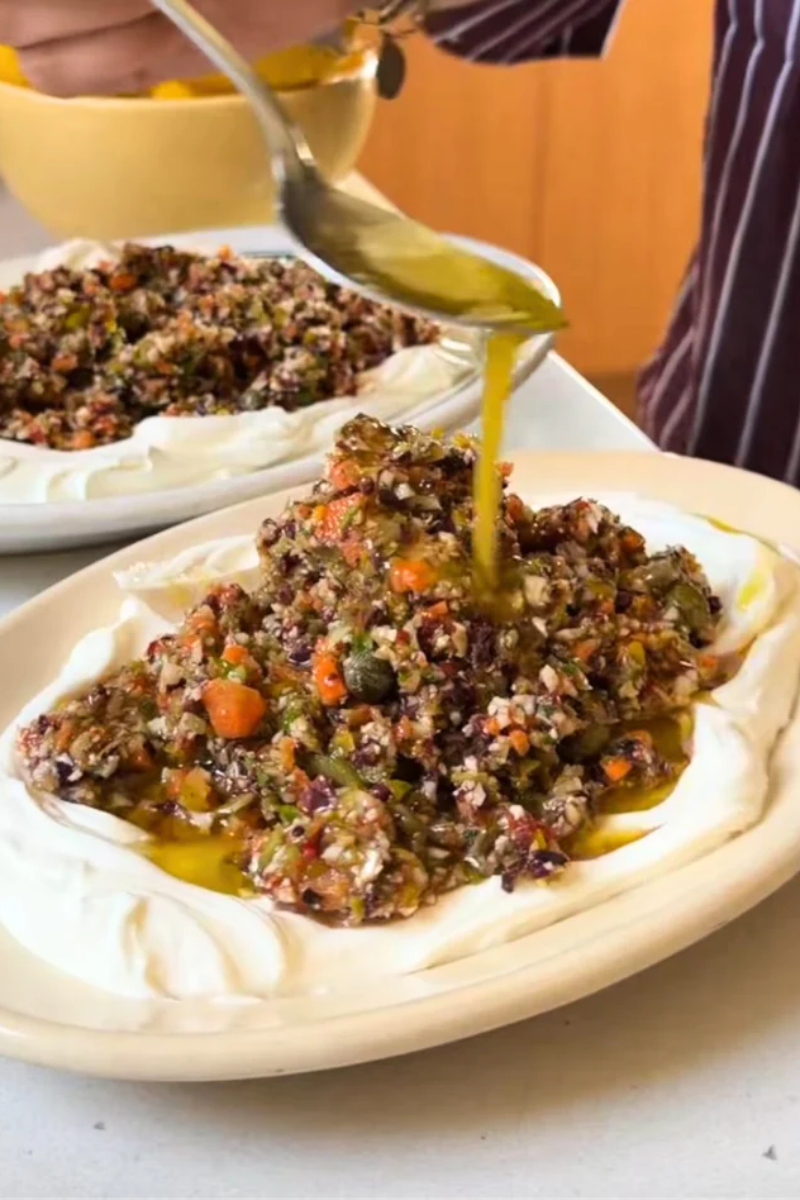
Everyone reaches for a piece of bread, scoops up a little of that tangy, creamy labneh and briny olive mixture, and suddenly the simplest appetizer becomes the dish everyone keeps coming back to.
That's what I love about this Mediterranean Olive Salad with Creamy Labneh. It feels special enough for entertaining, yet it takes just 10 minutes to prepare. No stove, no oven, and no complicated techniques.
This isn't your typical olive salad made with whole olives. It's a finely chopped, Greek-inspired mixture of Kalamata and Castelvetrano olives, roasted red peppers, crunchy cauliflower, celery, carrots, capers, garlic, lemon, and fresh parsley.
Think of it as a cross between a chunky olive tapenade and a fresh Mediterranean chopped salad, with creamy labneh bringing everything together.
And if you've never made an olive salad this way, don't worry. I'll walk you through choosing the olives, getting the texture just right, balancing the saltiness, and making a platter that looks as inviting as it tastes.
🫒 Mediterranean Olive Salad at a Glance
- Difficulty: Easy — no cooking required
- Prep Time: 10 minutes
- Cook Time: 0 minutes
- Total Time: 10 minutes
- Yield: 4–6 servings
- Texture: Finely chopped, lightly crunchy, briny, and creamy
- Best Tip: Pulse the ingredients briefly so they stay textured rather than becoming a paste
- Best For: Mediterranean mezze platters, entertaining, summer appetizers, and casual gatherings
❤️ Why You'll Love This Mediterranean Olive Salad
There are plenty of reasons to keep this recipe in your appetizer rotation, but what makes it especially appealing is how much flavor comes from such simple ingredients.
It's ready in 10 minutes. Everything is chopped, mixed, and served without turning on the stove.
It has wonderful texture. The olives provide richness, the cauliflower and celery add crunch, and the labneh gives every bite a creamy finish.
It's full of Mediterranean-inspired flavor. Lemon, capers, parsley, garlic, and good olive oil bring brightness and depth without needing a complicated dressing.
It's easy to prepare ahead. Make the olive mixture earlier in the day and assemble the platter just before serving.
It's made for sharing. Set it in the middle of the table with warm bread and let everyone help themselves.
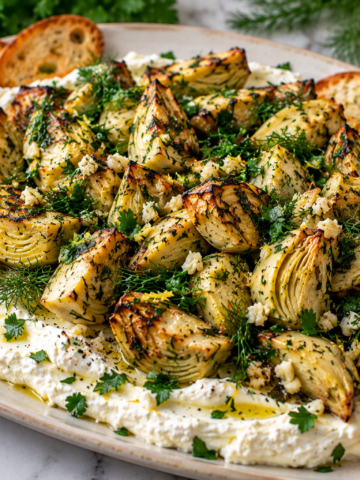
If you enjoy appetizers with creamy cheese and Mediterranean vegetables, my Warm Chargrilled Artichokes with Whipped Goat Cheese is another delicious choice for a relaxed gathering.
🛒 What Makes This Olive Salad So Flavorful?
You don't need a long ingredient list to make a memorable Mediterranean appetizer, but each ingredient in this salad contributes something important.
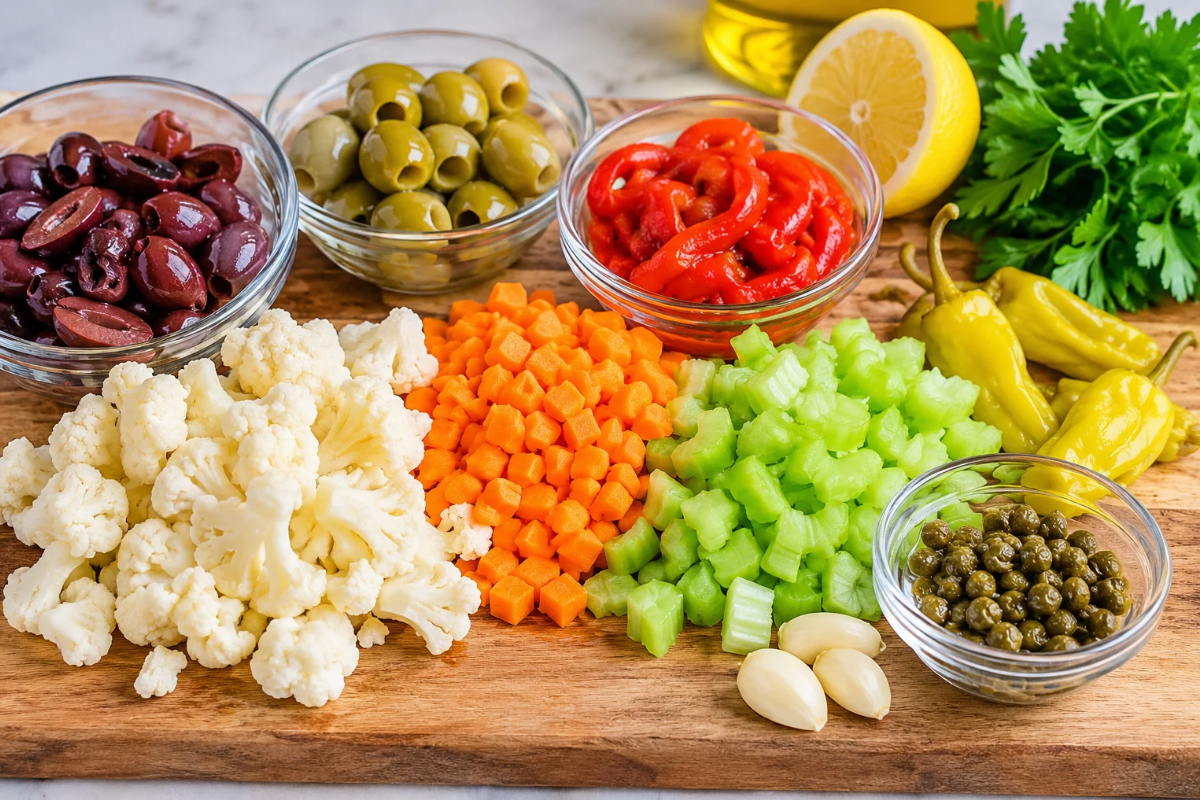
Kalamata and Castelvetrano Olives
The combination of two different olives is one of the secrets to this recipe.
Kalamata olives have a deep, fruity flavor with a pleasantly tangy finish. They're responsible for much of the salad's bold, savory character.
Castelvetrano olives are milder, buttery, and slightly sweet. They soften the sharper flavor of the Kalamatas and make the finished mixture more balanced.
I recommend using both if possible. If you only have one variety, the recipe will still work, but the flavor will be less layered.
My tip: Always check for pits, even when buying olives labeled pitted. A missed pit can damage your food processor.
Roasted Red Peppers
Roasted red peppers add sweetness, color, and softness.
They help balance the briny olives without needing added sugar. Jarred roasted peppers are convenient, but drain them thoroughly before chopping.
Cauliflower, Carrots, and Celery
These vegetables give the salad its fresh, lightly crunchy texture.
Cauliflower has a mild flavor that absorbs the lemon and olive oil beautifully. Carrots add a touch of sweetness, while celery contributes freshness.
The goal is to chop everything finely enough that each spoonful contains a little of every ingredient.
Capers and Pepperoncini
Capers contribute a concentrated salty, tangy flavor, while pepperoncini add gentle acidity and a little warmth.
Because these ingredients are already seasoned in brine, you may need very little additional salt.
Lemon, Garlic, and Fresh Parsley
Fresh lemon juice brightens the entire mixture. Lemon zest adds citrus aroma without introducing extra liquid.
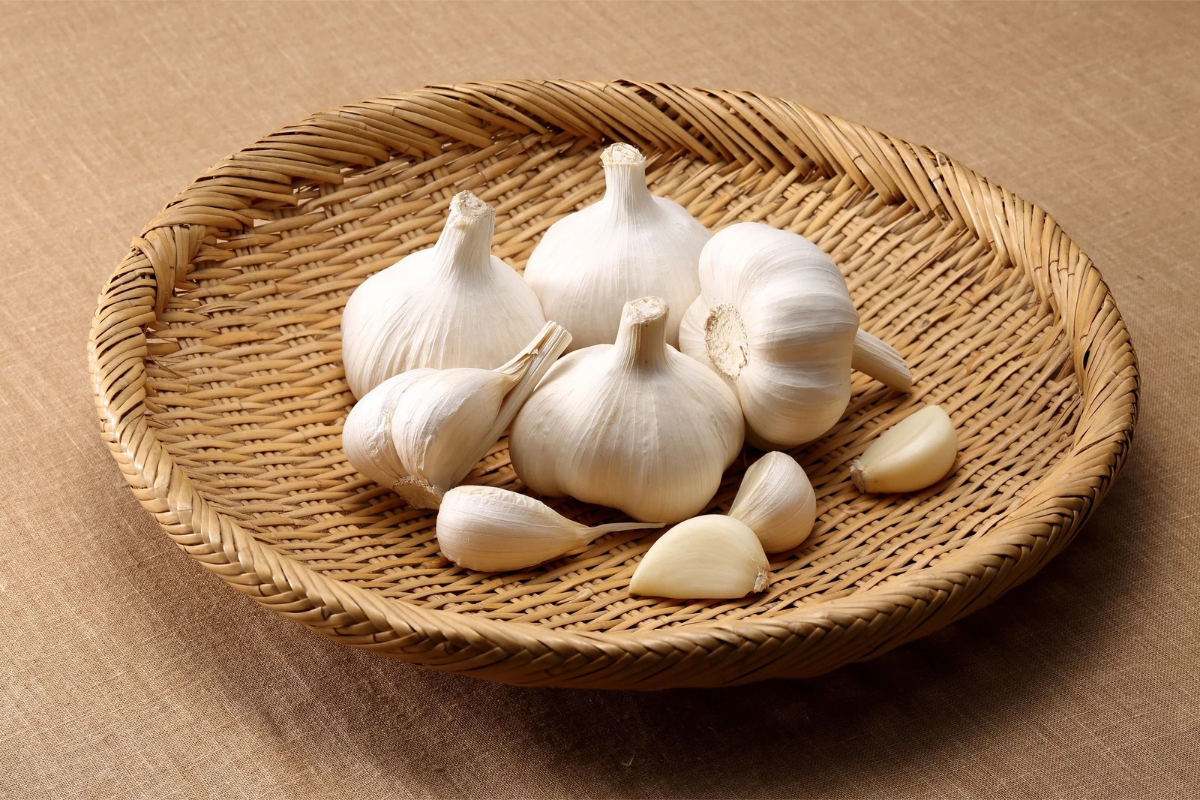
Garlic provides savory depth, and parsley gives the salad a fresh, herbal finish.
Fresh parsley works especially well here because it complements the olives without overpowering them.
Extra-Virgin Olive Oil
A good extra-virgin olive oil makes a noticeable difference in a recipe that isn't cooked.
It coats the chopped ingredients, rounds out the acidity, and adds a rich finish.
Choose an olive oil you enjoy tasting on its own. You don't need the most expensive bottle, but avoid an oil that tastes stale or unpleasantly bitter.
Creamy Labneh
Labneh is a thick, tangy strained yogurt with a rich, spreadable consistency.
It provides a cool, creamy contrast to the strongly flavored olive mixture.
When you scoop up both together, the labneh softens the saltiness and acidity of the olives, creating a more balanced bite.
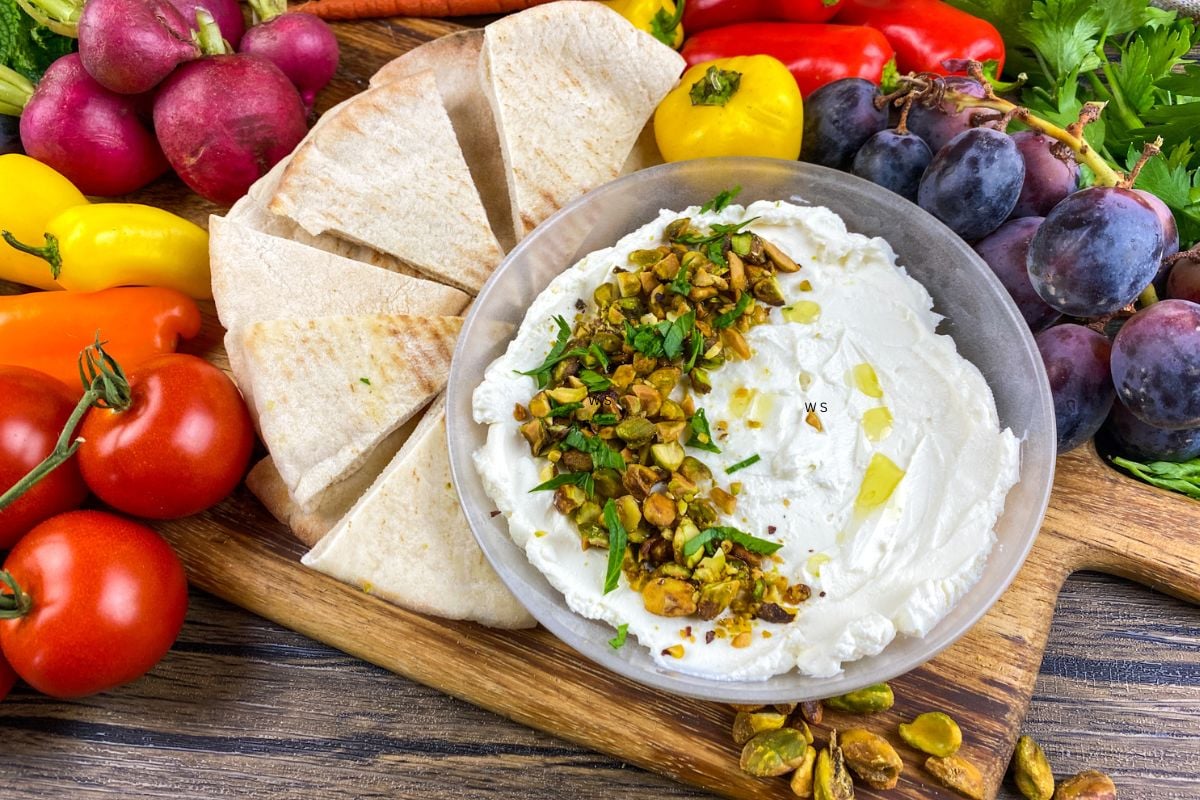
If you've enjoyed my Mediterranean Labneh Veggie Board, you'll recognize how well creamy labneh works with fresh vegetables and Mediterranean flavors.
👩🍳 How to Make Mediterranean Olive Salad
This recipe comes together quickly, but there's one technique worth paying attention to: the texture.
You want a finely chopped mixture with small, distinct pieces of olives and vegetables, not a smooth purée.
Step 1 — Prepare Your Ingredients
Drain the olives, roasted red peppers, capers, and pepperoncini.
Check the olives for pits, then cut the cauliflower into small florets. Roughly chop the carrots and celery, peel the garlic, and prepare the lemon and parsley.
You don't need perfect knife cuts because the food processor will handle the finer chopping.
Helpful tip: Drain the jarred ingredients thoroughly. Excess brine can make the salad watery and unnecessarily salty.
Step 2 — Chop and Pulse
Add the prepared olives, vegetables, garlic, capers, and parsley to your food processor.
Pulse in short bursts, stopping occasionally to scrape down the sides.
Continue until everything is finely chopped but still visibly textured.
The finished mixture should resemble a chunky relish rather than a smooth spread.
Helpful tip: Don't let the processor run continuously. A few seconds too long can turn the vegetables into a paste.
If your processor is small, chop the ingredients in two batches.
Step 3 — Add the Bright Mediterranean Flavors
Add the lemon juice, lemon zest, red wine vinegar, and chili flakes.
Pulse briefly to combine.
Transfer the mixture to a bowl and stir in the extra-virgin olive oil.
Taste before adding any additional salt.
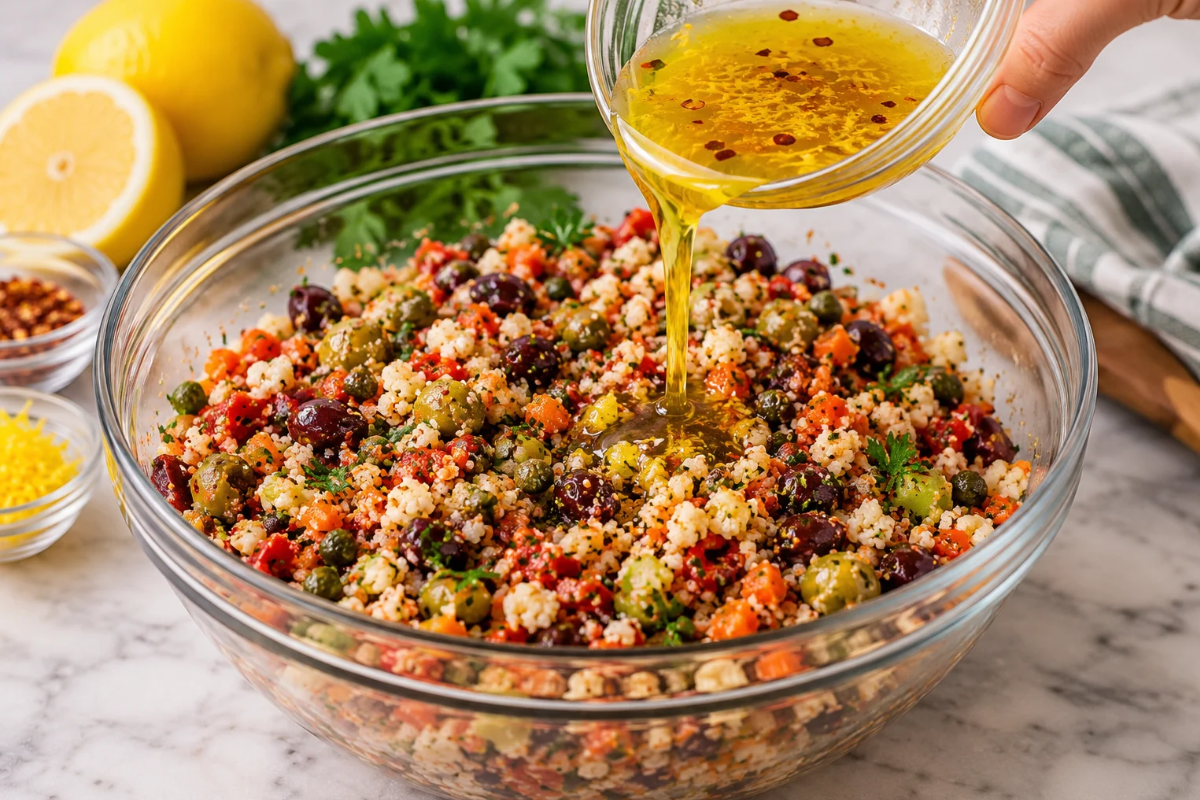
The olives, capers, and pepperoncini already contain plenty of seasoning, so the finished salad may not need much salt at all.
Helpful tip: If the flavor seems too sharp, add a little more olive oil. If it tastes flat, a squeeze of lemon can help bring everything together.
Step 4 — Serve Over Creamy Labneh
Spread a generous layer of labneh onto a shallow serving platter.
Use the back of a spoon to create soft swirls across the surface.
Spoon the olive salad over the center, leaving some labneh visible around the edges.
Finish with a light drizzle of olive oil and a little fresh parsley.
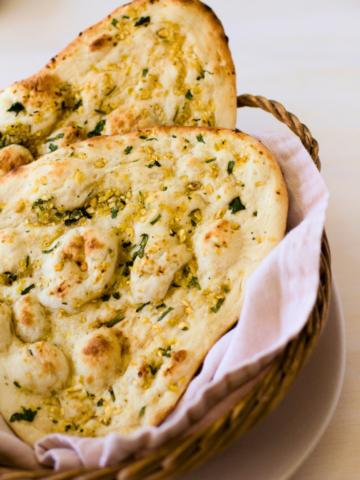
Serve with warm pita, toasted sourdough, or crusty bread.
Helpful tip: Keep the olive mixture toward the center of the platter. This makes it easier to scoop up both the salad and labneh in one bite.
💡 How to Get the Best Texture and Flavor
The difference between a good olive salad and a really memorable one often comes down to a few small details.
Don't Overprocess the Ingredients
This is probably the most important tip I can share.
The salad should have enough texture that you can recognize the finely chopped olives, peppers, and vegetables.
If you process everything until smooth, you'll lose the fresh crunch that makes this recipe different from traditional tapenade.
Taste Before Adding Salt
Olives and capers can vary considerably in saltiness depending on the brand and how they're packed.
I always recommend tasting the finished mixture before seasoning.
You can add salt later, but removing it once everything is mixed is much more difficult.
Balance the Acidity
Lemon juice and red wine vinegar provide brightness, but they should complement the olives rather than overpower them.
If the mixture tastes too acidic, a little extra olive oil can soften the sharpness.
Keep the Labneh Thick
Thin yogurt won't support the olive mixture as well as thick labneh.
If you're substituting Greek yogurt, choose a thick, full-fat variety or strain it before serving.
Let the Flavors Settle
You can serve the salad immediately, but even a short rest allows the garlic, lemon, herbs, and olive oil to mingle.
If you're preparing it ahead, refrigerate the olive mixture separately from the labneh.
🥖 What to Serve with Mediterranean Olive Salad
One of my favorite things about this recipe is how easily it fits into a Mediterranean-inspired meal.
For a simple appetizer, warm pita is all you need.
For a more generous spread, combine the salad with a few contrasting dishes.
For a bread-based appetizer: My Herbed Olive Tapenade and Goat Cheese Bruschetta offers another way to enjoy olives, this time with crisp bread and tangy goat cheese.
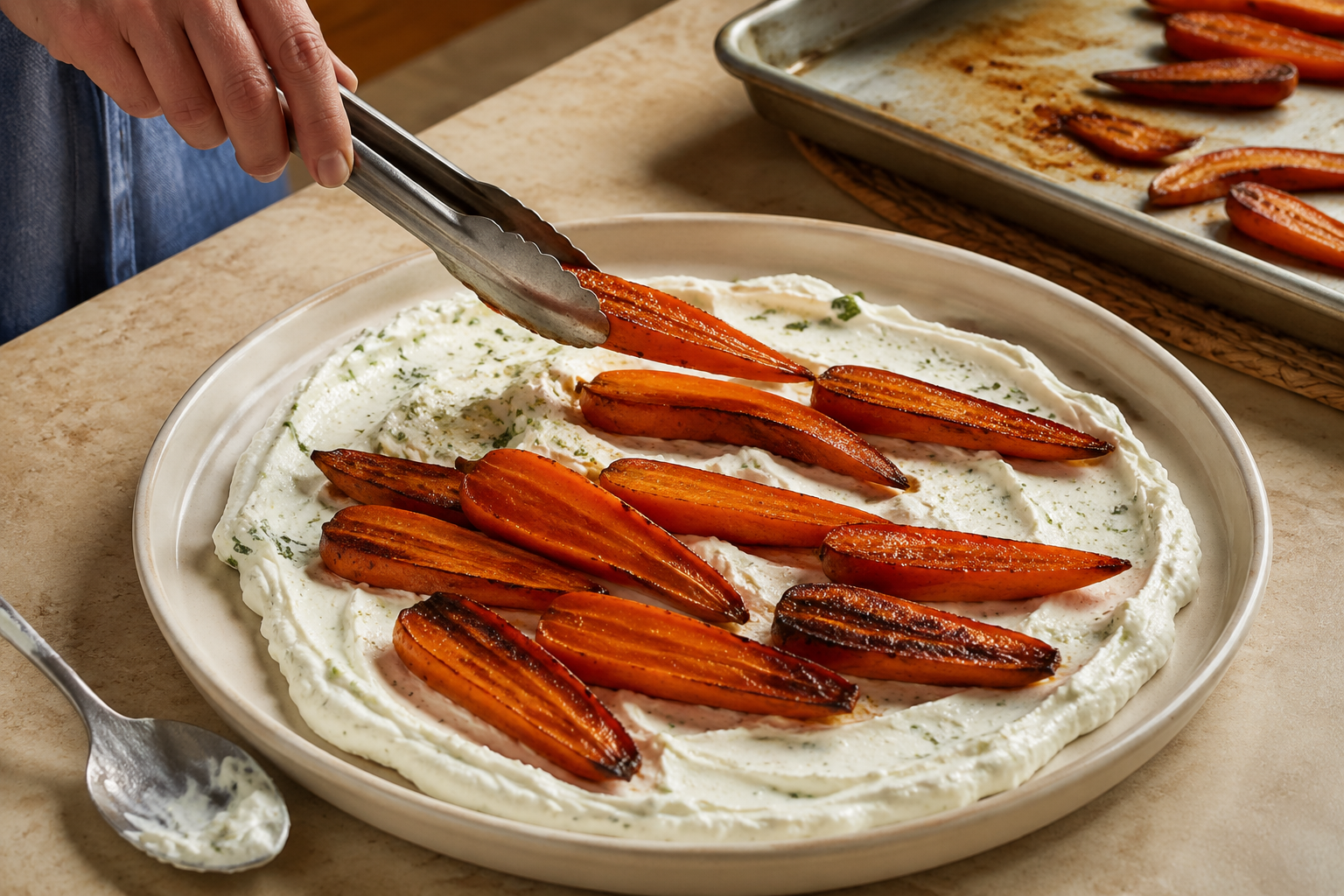
For a warm vegetable pairing: Try Mediterranean Charred Carrots with Labneh. The sweet, roasted carrots contrast beautifully with the bright, briny olive salad.
For a heartier Mediterranean meal: Serve alongside Mediterranean Flatbread Pizza. A few small slices make the spread feel more substantial.
For a colorful shared table: My Mediterranean Roasted Eggplant Platter adds a warm, tender vegetable dish to balance the cool, crunchy salad.
You don't need to make all of these. Even one warm dish, a bowl of olive salad, and good bread can make a wonderfully satisfying table.
🌿 Mediterranean Olive Salad Variations
Once you've made the original version, there are several ways to adapt it.
Spicy Olive Salad: Add more chili flakes or finely chopped fresh chili for extra heat.
Extra-Herby Olive Salad: Increase the parsley or add a little fresh oregano.
Dairy-Free Version: Skip the labneh or serve the olive mixture over a thick, unsweetened dairy-free yogurt alternative.
Chunky Olive Relish: Chop the ingredients by hand for a more rustic texture. This version is especially good spooned over grilled vegetables or sandwiches.
Whipped Feta Base: Replace the labneh with whipped feta for a richer, saltier variation. Reduce additional salt accordingly.
🧊 Make-Ahead and Storage Tips
Can You Make Mediterranean Olive Salad Ahead?
Absolutely.
Prepare the olive mixture, transfer it to an airtight container, and refrigerate until you're ready to serve.
I recommend keeping the labneh separate and assembling the platter shortly before serving so the presentation stays fresh.
How Long Does Olive Salad Last?
The chopped olive mixture can be refrigerated in an airtight container for approximately 3–4 days when prepared with fresh ingredients and handled safely.
The vegetables will gradually soften, so the best texture is usually within the first day or two.
Once assembled with labneh, refrigerate leftovers promptly and aim to enjoy them within 2–3 days.
Can You Freeze Mediterranean Olive Salad?
I wouldn't recommend it.
The fresh vegetables lose their crisp texture after freezing, and the labneh can separate when thawed.
This is a recipe that really shines when served fresh.
Should It Be Served Cold?
The olive mixture can be served chilled or allowed to sit briefly at room temperature before serving.
I prefer taking it out of the refrigerator a few minutes before assembling the platter so the olive oil and herbs are more aromatic.
Keep the labneh chilled until serving, and don't leave the assembled appetizer at room temperature for more than two hours.
❓ Frequently Asked Questions
What is Mediterranean olive salad made of?
Mediterranean olive salad typically combines olives with vegetables, herbs, olive oil, and acidic ingredients such as lemon juice or vinegar. This version includes Kalamata and Castelvetrano olives, roasted red peppers, cauliflower, carrots, celery, capers, garlic, and parsley.
Is Mediterranean olive salad the same as tapenade?
Not exactly. Tapenade is traditionally a more concentrated olive spread, while this recipe includes additional fresh vegetables for a lighter, crunchier texture. The ingredients are finely chopped rather than blended smooth.
What is the best olive combination for this salad?
I recommend Kalamata and Castelvetrano olives. Kalamatas provide a rich, fruity flavor, while Castelvetranos add a mild, buttery contrast.
Can I make olive salad without a food processor?
Yes. Finely chop the ingredients with a sharp knife, then combine them in a bowl with the seasonings and olive oil. It takes a little longer, but you'll have excellent control over the texture.
How do I keep olive salad from becoming too salty?
Drain the olives and capers well, taste before seasoning, and add salt only if needed. If the mixture is already too salty, additional unsalted vegetables and plain labneh can help balance each bite.
What can I use instead of labneh?
Thick plain Greek yogurt is the easiest substitute. You can also use whipped feta, although it will create a saltier dish.
Is Mediterranean olive salad healthy?
Olives provide mostly unsaturated fats, while the vegetables contribute fiber and a variety of nutrients. However, olives, capers, and pepperoncini can be high in sodium, so portion size and seasoning are worth considering.
Is this an authentic Greek olive salad?
This recipe is best described as Greek-inspired or Mediterranean-inspired. It uses familiar Mediterranean ingredients, but the combination of finely chopped vegetables and a creamy labneh base is a modern interpretation rather than a single traditional Greek preparation.
Can I serve olive salad without bread?
Of course. Try it over grilled vegetables, alongside roasted fish, as part of a grain bowl, or spooned onto crisp cucumber slices.
❤️ A Little More About This Recipe
What I especially appreciate about this Mediterranean Olive Salad is that it shows how a handful of everyday ingredients can become something that feels thoughtful and inviting.
There's no complicated cooking technique to master. But there are a few little decisions that make all the difference.
Choosing two varieties of olives gives you a more balanced flavor. Leaving the vegetables slightly textured keeps every bite interesting. And tasting before adding salt helps you control the finished dish rather than letting the briny ingredients take over.
I also think the labneh deserves a little attention.
It's tempting to think of it as simply something to serve underneath the salad, but it does much more than that. The cool, creamy tanginess balances the olives and lemon, making the whole dish feel complete.
If you're new to preparing Mediterranean-inspired appetizers, this is a wonderful recipe to begin with. You can taste and adjust as you go, and you'll quickly learn how acidity, saltiness, freshness, and richness work together.
Those are useful cooking skills that extend far beyond this one recipe.
And perhaps that's what makes this dish so enjoyable. It isn't about following a complicated set of rules. It's about bringing good ingredients together in a way that makes people want to sit down, share, and enjoy them.
🍽️ Final Thoughts
This Mediterranean Olive Salad with Creamy Labneh is proof that an impressive appetizer doesn't have to be complicated.
With two varieties of olives, crunchy vegetables, fresh lemon, herbs, and good olive oil, you can create a colorful, flavorful salad in just 10 minutes.
Serve it over creamy labneh, add warm bread, and you've got a dish that's equally at home on a casual lunch table or a holiday appetizer spread.
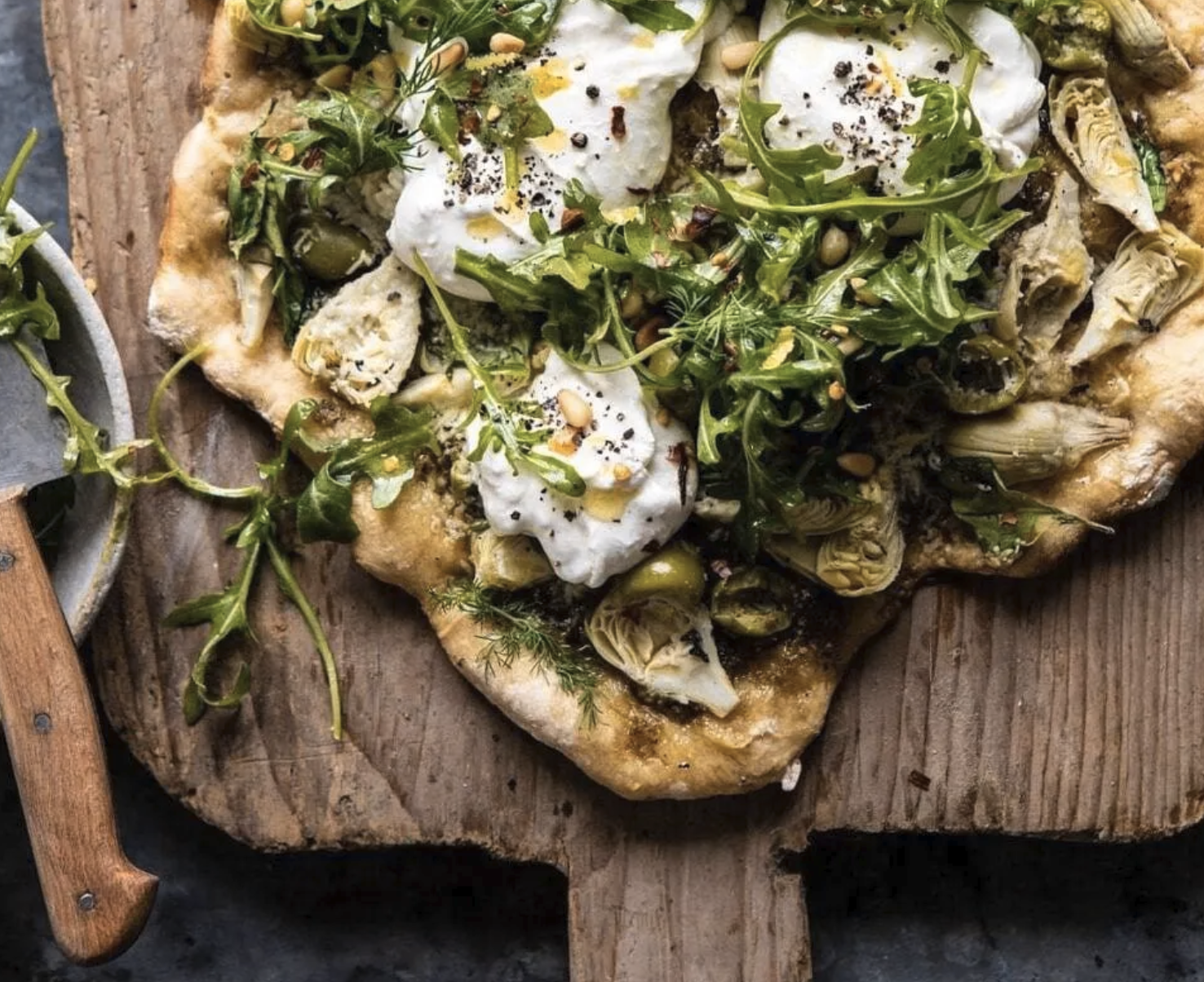
If you're planning a larger Mediterranean-inspired meal, my Artichoke Pesto & Burrata Pizza is another lovely way to bring creamy cheese, herbs, and bold Mediterranean flavors to the table.
Sometimes the simplest recipes are the ones everyone remembers.
Print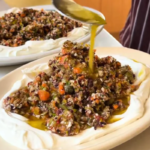
Mediterranean Olive Salad with Creamy Labneh
- Total Time: 10 minutes
- Yield: 4–6 servings 1x
- Diet: Vegetarian
Description
This Mediterranean Olive Salad combines Kalamata and Castelvetrano olives with finely chopped vegetables, capers, lemon, parsley, and extra-virgin olive oil. Served over creamy labneh, it's a fresh, colorful no-cook appetizer ready in just 10 minutes.
Ingredients
Olives and Vegetables
½ cup pitted Kalamata olives
½ cup pitted Castelvetrano olives
½ cup chopped roasted red peppers, drained
1 cup small cauliflower florets
½ cup roughly chopped carrot
½ cup roughly chopped celery
4 pepperoncini, drained
Flavor and Seasoning
2 garlic cloves
4 tablespoons capers, drained, divided
Up to 1½ teaspoons kosher salt, to taste
½ teaspoon chili flakes
Juice of ½ lemon
1 tablespoon red wine vinegar
1 teaspoon lemon zest
2 tablespoons fresh chopped parsley
For Serving
3 tablespoons extra-virgin olive oil
Creamy labneh, enough for a generous layer on a serving platter
Warm pita or crusty bread
Instructions
-
Prepare
-
Prepare the labneh. Spread a generous layer of labneh onto a shallow serving platter, creating soft swirls with the back of a spoon.
-
Assemble and serve. Spoon the olive salad over the labneh. Garnish with the remaining tablespoon of capers and additional parsley, if desired. Serve with warm pita or crusty bread.
6. Recipe Notes
-
Texture: Pulse rather than continuously blending to avoid making a smooth paste.
-
Salt: Taste before seasoning; the olives and capers are already salty.
-
Make Ahead: Prepare the olive mixture in advance and refrigerate separately from the labneh.
-
Storage: Refrigerate the olive mixture in an airtight container for approximately 3–4 days.
-
Substitution: Thick Greek yogurt can replace labneh.
-
Serving: Delicious with warm pita, toasted bread, crackers, or grilled vegetables.
- Prep Time: 10 minutes
- Cook Time: N/A
- Category: Appetizer
- Method: no cook
- Cuisine: Mediterranean-Inspired
Mediterranean Olive Salad with Creamy Labneh — Recipe Card
Description: This Mediterranean Olive Salad combines Kalamata and Castelvetrano olives with finely chopped vegetables, capers, lemon, parsley, and extra-virgin olive oil. Served over creamy labneh, it's a fresh, colorful no-cook appetizer ready in 10 minutes.
Prep Time: 10 minutes
Cook Time: 0 minutes
Total Time: 10 minutes
Yield: 4–6 servings
Category: Appetizer
Method: No-Cook
Cuisine: Mediterranean-Inspired
Diet: Vegetarian
Ingredients
Olives and Vegetables
- ½ cup pitted Kalamata olives
- ½ cup pitted Castelvetrano olives
- ½ cup chopped roasted red peppers, drained
- 1 cup small cauliflower florets
- ½ cup roughly chopped carrot
- ½ cup roughly chopped celery
- 4 pepperoncini, drained
Flavor and Seasoning
- 2 garlic cloves
- 4 tablespoons capers, drained, divided
- Up to 1½ teaspoons kosher salt, to taste
- ½ teaspoon chili flakes
- Juice of ½ lemon
- 1 tablespoon red wine vinegar
- 1 teaspoon lemon zest
- 2 tablespoons fresh chopped parsley
For Serving
- 3 tablespoons extra-virgin olive oil
- Creamy labneh, enough for a generous layer on a serving platter
- Warm pita or crusty bread
Instructions
- Prepare the ingredients. Drain the olives, roasted peppers, capers, and pepperoncini. Check the olives for pits. Cut the vegetables into small pieces suitable for processing.
- Chop the salad. Add the olives, roasted peppers, cauliflower, carrot, celery, pepperoncini, garlic, 3 tablespoons of capers, and parsley to a food processor. Pulse in short bursts until finely chopped but still textured.
- Add the seasonings. Add the lemon juice, lemon zest, red wine vinegar, and chili flakes. Pulse briefly to combine.
- Finish the olive mixture. Transfer to a bowl and stir in the extra-virgin olive oil. Taste before adding salt, as the olives and capers may already provide enough.
- Prepare the labneh. Spread a generous layer of labneh onto a shallow serving platter, creating soft swirls with the back of a spoon.
- Assemble and serve. Spoon the olive salad over the labneh. Garnish with the remaining tablespoon of capers and additional parsley, if desired. Serve with warm pita or crusty bread.
Recipe Notes
- Texture: Pulse rather than continuously blending to avoid making a smooth paste.
- Salt: Taste before seasoning; the olives and capers are already salty.
- Make Ahead: Prepare the olive mixture in advance and refrigerate separately from the labneh.
- Storage: Refrigerate the olive mixture in an airtight container for approximately 3–4 days.
- Substitution: Thick Greek yogurt can replace labneh.
- Serving: Delicious with warm pita, toasted bread, crackers, or grilled vegetables.

Leave a Reply