

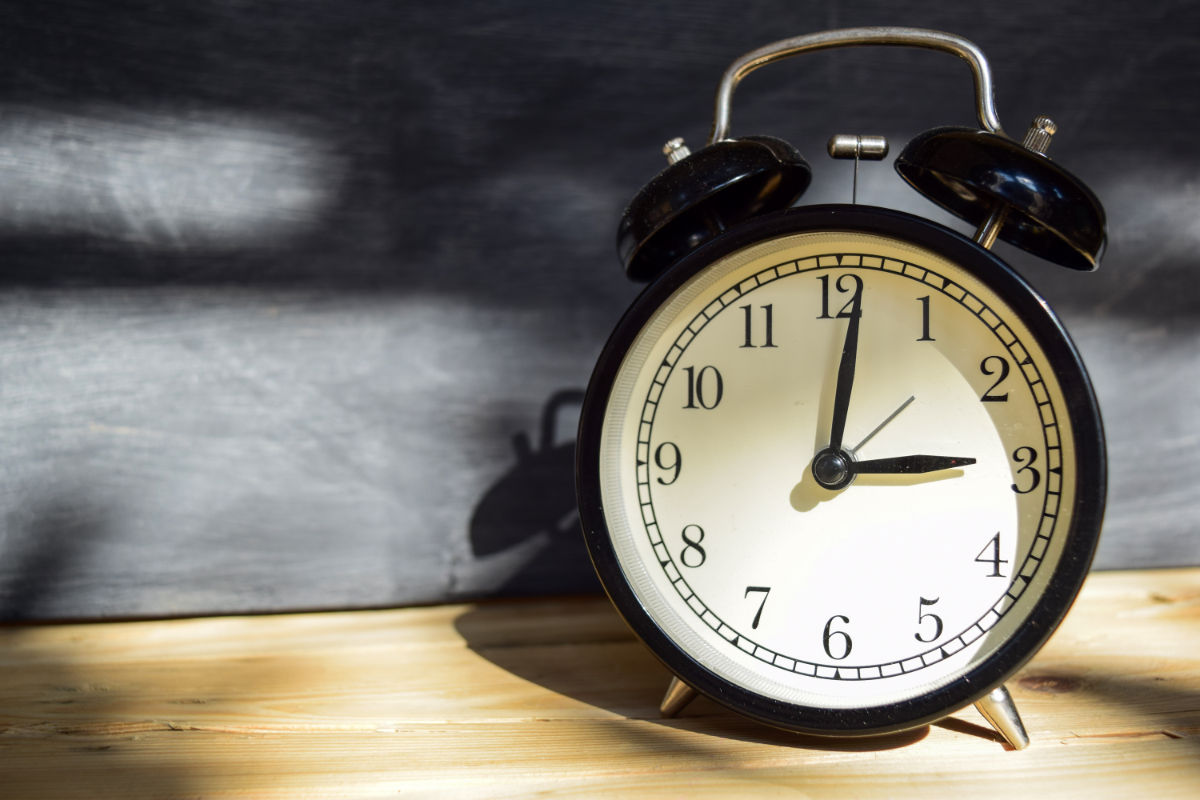
You wake up, check the clock, and there it is again.
3:07. 3:18. 3:41.
Now you are awake enough to know it, but not calm enough to ignore it. For some people, this happens once in a while after a stressful day. For others, it turns into a pattern: they fall asleep without much trouble, then wake in the middle of the night and cannot seem to settle back down.
That kind of broken sleep can feel especially frustrating because the problem is no longer just being tired. It is the spiral that often comes next. You start thinking about tomorrow, how exhausted you will feel, what still is not done, what you forgot, what you have to deal with in the morning. And the harder you try to force sleep, the more awake you seem to become.
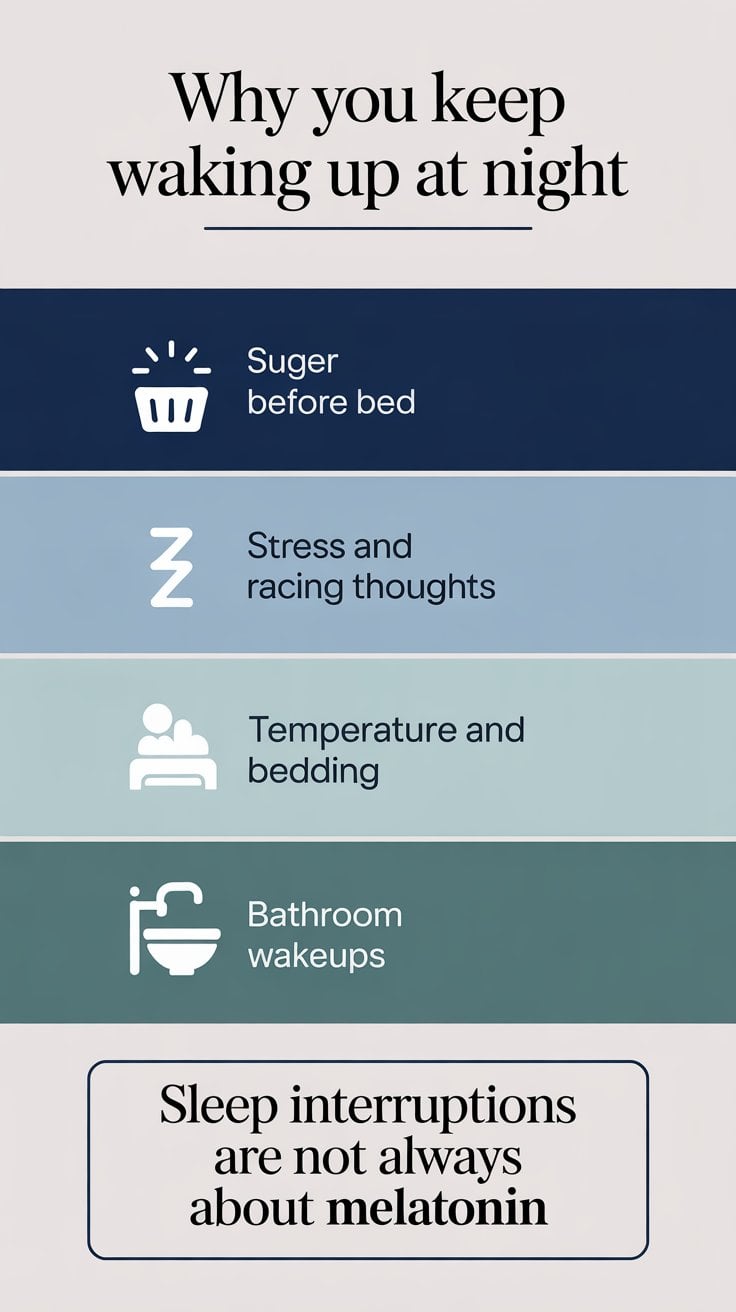
There is not one single reason this happens. Stress is a big one. So are caffeine, late-night eating, alcohol, bedroom temperature, light, noise, bathroom trips, and sleep habits that quietly work against you.
The good news is that middle-of-the-night waking is common, and it does not always point to something serious. But if it keeps happening, it is worth looking at the pattern more closely instead of treating it like random bad luck.
🌙 Why Waking Up at 3 AM Feels So Different
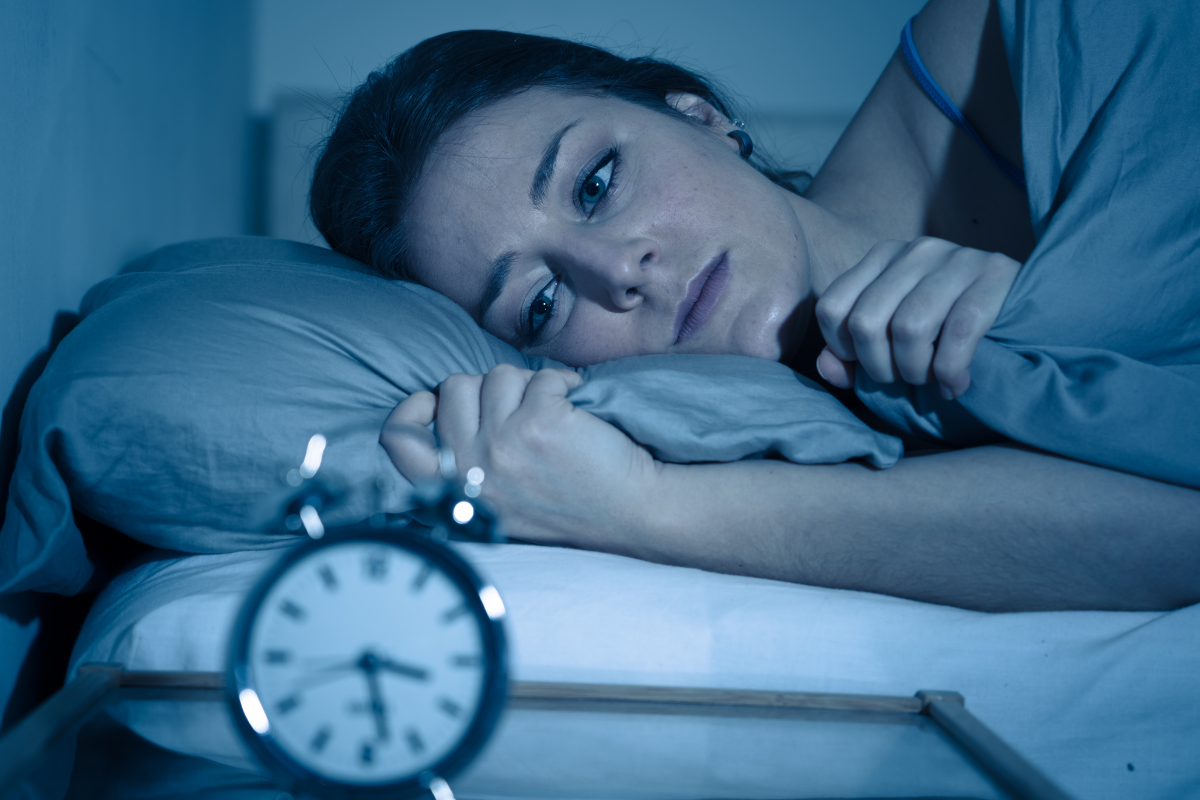
Waking up at 3 AM does not feel the same as simply taking a while to fall asleep.
When you wake in the middle of the night, you are suddenly stuck in that uncomfortable in-between state: tired, but alert enough to think. The room is quiet, the clock feels louder than it should, and every minute that passes starts to feel important. A small wake-up can quickly turn into sleep math, frustration, and tomorrow anxiety.
That is part of what makes this pattern so draining. The original wake-up may be brief, but what follows can keep the body and mind much more activated than they need to be.
🧠 Common Reasons You Wake Up at 3 AM
Stress, Tomorrow Anxiety, and the 3 AM Spiral
Sometimes the reason you wake up at 3 AM is not dramatic at all. You fell asleep, but your mind never really let go of the day.
Work pressure, money worries, family stress, health concerns, unfinished tasks, or that running list of what tomorrow is going to demand can all stay active in the background. You may be tired enough to fall asleep anyway, then wake later when your brain starts scanning again.
That is often when the spiral begins. You check the clock. You think about how tired you will be tomorrow. Then your thoughts jump straight into tomorrow itself: what you have to do, what conversation you are dreading, what needs fixing, what cannot go wrong. At that point, the problem is no longer just the wake-up. It is the mental momentum that comes after it.
For some people, this is also where nighttime anxiety starts feeding on itself. If that part of the picture feels familiar, your anxiety post can eventually become another useful supporting article in this wellness cluster.
Caffeine That Lasts Longer Than You Think
A lot of people assume caffeine only matters if it keeps them from falling asleep in the first place. But that is not always how it works.
You may still be able to fall asleep after afternoon coffee, strong tea, soda, an energy drink, or pre-workout and still find that your sleep feels lighter, more fragile, or more broken later in the night. That can leave you in the classic tired-but-wired loop: not fully rested, but not relaxed enough to stay asleep either.
If caffeine is part of your pattern, that also ties naturally into Morning Cortisol: Why You Wake Up Wired, Tired, or Both, because broken sleep, stress, and stimulants can all blur together by morning.

Sugar, Late Snacks, and Nighttime Bathroom Trips
A late snack before bed can feel harmless, especially if it helps you feel sleepy enough to drift off. But for some people, late eating, sugary foods, heavy snacks, or drinking too much too close to bedtime can make the second half of the night less steady.
You may fall asleep with no trouble, then wake later feeling restless, uncomfortable, too warm, thirsty, or needing the bathroom. Once that happens, sleep can be harder to recapture. That does not mean sugar is the answer every single time, but bedtime eating patterns are worth noticing if you keep waking during the night.
And if bathroom trips are happening several times a night, that is a clue worth paying attention to rather than brushing off automatically.

A Bedroom That Is Too Warm, Too Bright, or Just Not Comfortable
Sometimes the issue is not internal at all. The room is too warm. The bedding traps heat. The pillow feels wrong. The mattress sleeps hot. Light leaks in more than you realize. The room is quiet enough to fall asleep, but not comfortable enough to help you stay asleep.
These things can sound minor in daylight, but they matter more at 3 AM than people think. A sleep setup that is slightly off can quietly fragment the night and make it easier to wake up fully.
That is one reason broad sleep advice about a cool, dark, quiet bedroom still matters. It sounds basic, but basic does not mean unimportant.
Alcohol, Heavy Meals, or Restless Second-Half Sleep
A drink at night or a heavy late meal may make you feel sleepy at first, but that does not always translate into stable sleep all night long. Some people fall asleep easily and then wake later feeling overheated, restless, thirsty, or generally off.
This is one reason “I fall asleep fine” does not always mean your evening routine is helping you sleep well through the night.
Inconsistent Sleep Habits
Irregular bedtimes, sleeping in late, trying to catch up on weekends, too much late screen time, or a bedtime routine that never really lets the body wind down can all make middle-of-the-night waking more likely.
That does not mean every rough night is your fault. It just means the body often sleeps more steadily when it gets more consistent signals.
For readers who need the bigger picture here, this is a good place to naturally point them to How to Sleep Better: Healthy Bedtime Habits That Actually Help.
An Underlying Sleep or Health Issue
Sometimes waking at night is not mostly about habits. Snoring, gasping, chronic insomnia, pain, reflux, medication effects, frequent urination, mood symptoms, or another medical issue can all be part of the story.
If waking at night is happening often enough to affect your days, it may be time to look more closely rather than assuming it is “just one of those things.”
😵💫 What To Do When You Wake Up at 3 AM
The first goal is not to panic.
That sounds simple, but it matters. A quick wake-up can become a long one when you immediately start thinking, Oh no, not this again.
A few better moves:
- Keep the lights low
- Do not grab your phone unless you absolutely need to
- Avoid checking the clock over and over
- Do not start solving tomorrow’s problems in bed
- Take a slower breath than feels natural
- Let your body know this is a wake-up, not an emergency
If you have been awake for a while and feel fully alert, it can help to get up briefly and do something quiet in dim light instead of lying there getting more frustrated. That kind of reset often works better than turning the bed into a place of stress and struggle.
🛏 Habits That May Help Reduce 3 AM Wake-Ups
The fix is not always one magic thing. Often it is a pattern problem.
Helpful areas to look at include:
- Less caffeine later in the day
- Lighter evening eating
- Fewer drinks close to bedtime
- A cooler sleep environment
- More comfortable bedding and pillow support
- A darker, quieter room
- A more regular sleep and wake schedule
- Less pressure around needing “perfect” sleep every night
For a broader look at bedtime habits that support more consistent rest, see How to Sleep Better: Healthy Bedtime Habits That Actually Help. That internal link fits naturally here because readers who keep waking at 3 AM usually need more than one quick fix. They need the broader framework too.
💊 Is Melatonin the Answer?
When this keeps happening, melatonin can start to feel like the easiest fix on the nightstand.
And sometimes it may help. But it is not the answer to every kind of nighttime waking, and it is not side-effect free. If it leaves you groggy, foggy, dizzy, or off the next day, it may be creating a new problem instead of solving the old one.
That is why it is worth taking a closer look at melatonin side effects for sleep before relying on it too quickly.
🌅 Could a Wired-Tired Pattern Be Involved?
Some people do not just wake up during the night. They wake feeling a little activated, then move through the morning tired but not truly calm. Stress, broken sleep, caffeine, and an already revved-up system can all feed into that pattern.
That does not mean cortisol is behind everything. But if your nights feel broken and your mornings feel edgy, strained, or oddly alert even when you are exhausted, there may be a bigger sleep-stress pattern at work.
That is why it helps to read more about morning cortisol and why you wake up wired but tired if that sounds familiar.
🚨 When To Talk to a Healthcare Professional
It is worth checking in with a healthcare professional if:
- You keep waking during the night and it is affecting your daily life
- The pattern is happening several nights a week
- You snore loudly, wake gasping, or think another sleep disorder could be involved
- You are getting up to urinate many times a night
- You have strong anxiety symptoms, low mood, pain, or other symptoms that may be contributing
- You are relying on melatonin or other sleep aids often without really understanding why
- You have chest pain, fainting, severe shortness of breath, or other symptoms that feel urgent
If sleep disruption has become a pattern instead of an occasional rough night, that is worth taking seriously.
❓Frequently Asked Questions
Why do I wake up at 3 AM every night?
There is not one universal reason. Stress, anxiety, caffeine, alcohol, heavy meals, late snacks, bathroom trips, room temperature, poor sleep habits, and underlying sleep problems can all play a role. If it keeps happening, look for patterns instead of assuming it is random.
Why can’t I fall back asleep once I wake up?
Often it is the mental surge after waking that keeps the cycle going. You check the clock, think about tomorrow, start doing sleep math, and your body gets more activated instead of more relaxed.
Can stress wake you up in the middle of the night?
Yes. Stress and anxiety can make sleep lighter and more fragile, and they can also make it much harder to settle back down once you wake.
Can sugar before bed affect sleep?
For some people, yes. A late sugary snack or heavy bedtime eating may leave sleep feeling less steady, and drinking a lot late at night can increase bathroom trips. That does not mean sugar is always the cause, but it is worth noticing whether bedtime food and drink patterns line up with your rough nights.
Can a warm room or bad pillow wake you up?
Absolutely. A room that is too warm, bright, noisy, or uncomfortable can make it easier to wake up fully and harder to drift back off.
Should I take melatonin if I keep waking up at night?
Not automatically. Melatonin may help in some situations, especially when sleep timing is off, but it is not the right answer for every sleep problem.
🌙 Final Thoughts
Waking up at 3 AM does not always mean something serious is wrong. Sometimes it is a run of stress. Sometimes it is caffeine hanging around longer than you think. Sometimes it is a too-warm room, a late snack, alcohol, bathroom trips, or a mind that never fully stopped bracing for tomorrow.
The bigger point is this: if it keeps happening, the pattern matters.
The answer is not always one pill, one trick, or one perfect bedtime habit. More often, it is a combination of small things that either support sleep or quietly break it apart. The more honestly you can look at your routine, your stress level, your evenings, and your sleep setup, the easier it becomes to spot what may be getting in the way.
And sometimes that shift alone is what starts moving the night in a better direction.



Leave a Reply